Articles & guides
Start with the question that matters to you. Explore everyday vision, compare lenses, or understand what happens before and after surgery.
Not sure where to start? Follow the free step-by-step guide →Try: comfortable reading, computer, Eyhance
93 articles

Burning, gritty eyes and blur that comes and goes: could it be dry eye?
Why eyes may burn, feel sandy or blur during screen work, what to tell an eye doctor, and when not to wait. Dry-eye symptoms are clues, not a diagnosis.

Contact lenses feel dry or blur: which material and fit should you choose?
Hydrogel, silicone hydrogel and rigid gas-permeable contact lenses; why oxygen is not a comfort ranking, and what a proper fitting checks.

Dry eyes: what can you do, and which drops should you not choose yourself?
Practical dry-eye steps, why artificial tears differ, what omega-3 studies actually found, and what to discuss before cataract or laser surgery.
Ghosted letters or double vision after cataract surgery: is the lens to blame?
Dry eye is one possible cause of ghosting after cataract surgery, not the only one. Understand diffractive lenses, examination questions and urgent warning signs.

Tired of glaucoma drops: can laser or MIGS reduce them?
What SLT and minimally invasive glaucoma surgery can and cannot do, why glaucoma stage matters, and what to ask when cataract surgery is also planned.

How to read clinical data
A patient-friendly guide to clinical studies, evidence levels, GRADE, percentages and medical marketing—with practical questions for choosing an eye treatment or IOL.

Tired of glasses: LASIK, PRK or SMILE laser vision correction?
What LASIK, surface treatment and lenticule extraction change, how suitability differs, why newest does not mean best, and what happens to near vision and future IOL choice.

Reading is harder after 45: would progressive glasses help?
Reading glasses, bifocals, everyday progressives and office lenses explained through phone, screen and distance tasks—with fitting problems and surgical alternatives.

Can you swim or shower in contact lenses?
Why pool, sea and shower water should stay away from contact lenses; infection warning signs, what to do after water exposure, and safer swimming vision.
Why are my eyes dry when they water? Tears, oil and mucin explained
A deeper plain-language explanation of the tear film: water, lipids, mucins, blinking and drainage. Why watery eyes do not identify a dry-eye treatment.
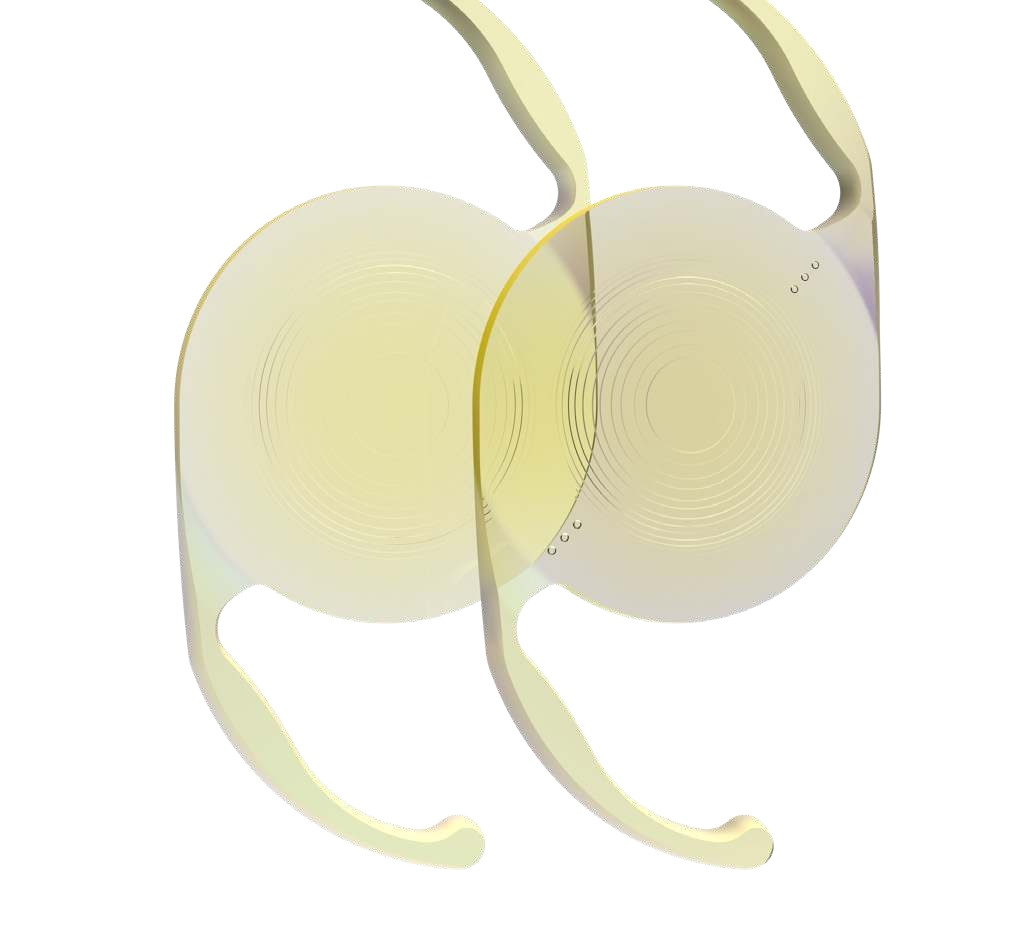
PanOptix Pro review: better vision and fewer halos?
What changed in Clareon PanOptix Pro? Check the 83-patient comparison, FDA approval and why less simulated scattered light does not mean half the halos.
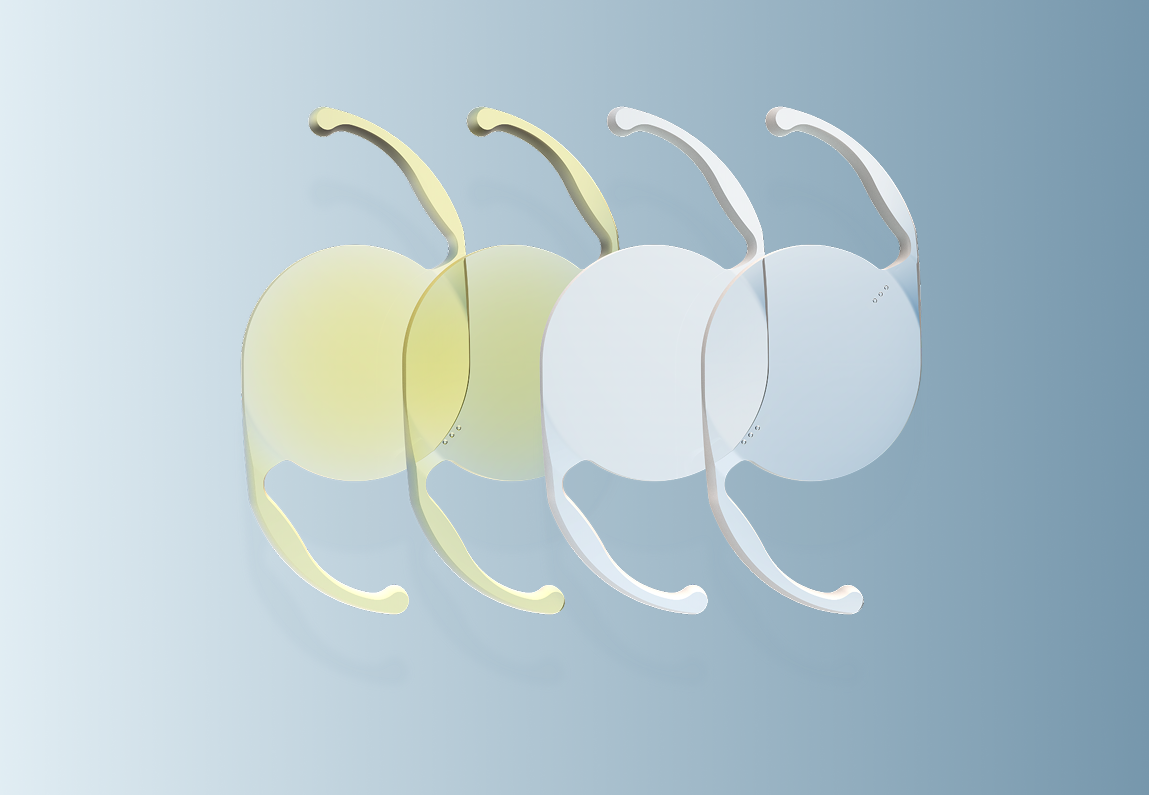
Clareon TruPlus review: a little more computer vision?
Alcon's enhanced monofocal promises a modest intermediate benefit. Separate simulated results, FDA approval and unfinished clinical trials before choosing.
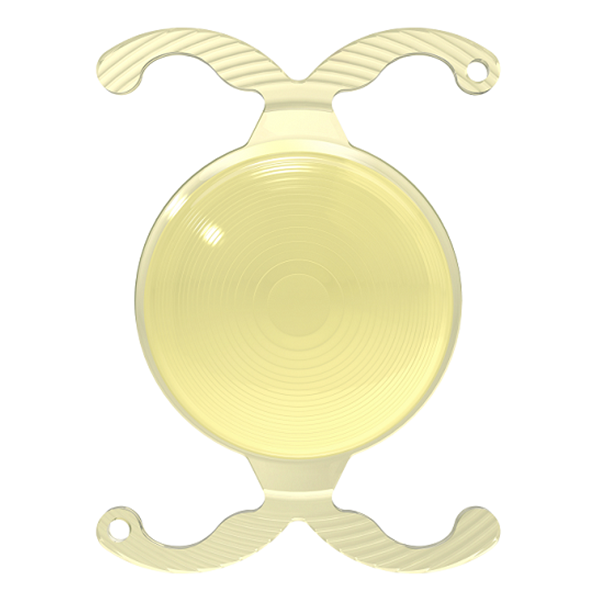
FINEVISION HP review: reading without glasses, with what trade-offs?
FINEVISION HP POD F GF: manufacturer claims checked against the FDA trial. Near vision, halos, contrast, model differences and evidence limits.
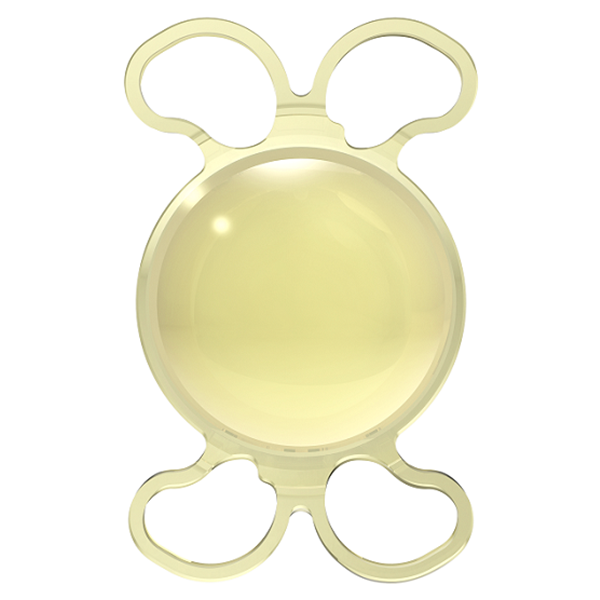
ISOPURE review: better computer vision without a trifocal?
A critical patient review of BVI ISOPURE: randomized comparison with MicroPure, computer and reading distances, contrast, halos and evidence limits.
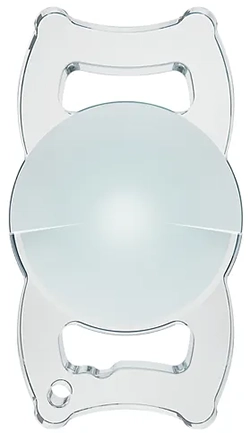
ClearView 3 IOL review: reading, night vision and what the FDA studies show
A critical review of Lenstec ClearView 3 / SBL-3: the segmented bifocal design, FDA near-vision results, contrast trade-offs and updated post-approval findings.

LuxLife IOL review: reading vision, halos and the evidence behind the claims
What Bausch + Lomb LuxLife promises, what its clinical reports show, and why useful-light and toric claims need careful interpretation.

LuxSmart review: computer vision, reading glasses and halos
A critical review of Bausch + Lomb LuxSmart: clinical studies, mini-monovision, reading limits, halos, contradictory reporting and the pending randomized trial.
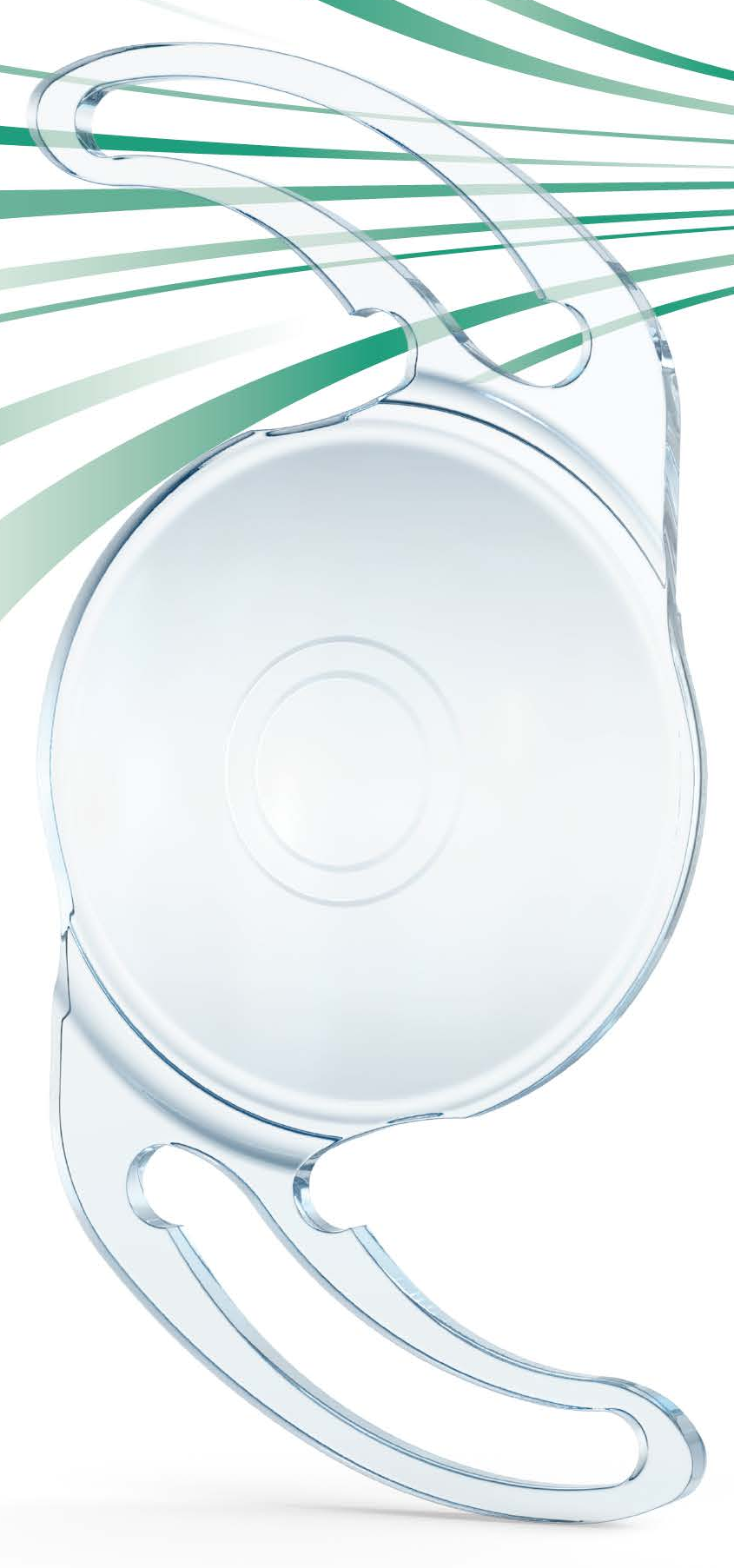
ELON IOL review: computer vision, reading glasses and night symptoms
What Medicontur ELON's non-diffractive EDOF design offers, what its clinical studies show, and why better intermediate vision is not a promise of glasses-free reading.
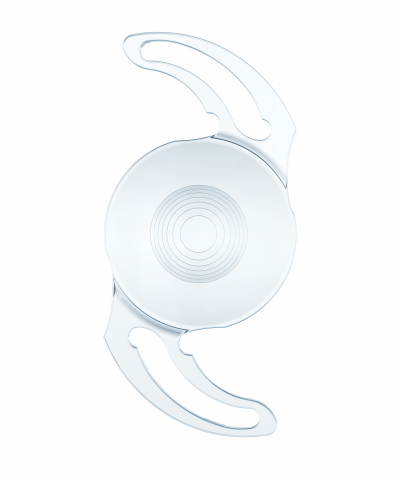
Liberty IOL review: reading vision, halos and claims of better contrast
A critical review of Medicontur Liberty trifocal lenses: what comparative studies show about reading, contrast, glasses and later laser treatment.

RayOne EMV review: computer vision, reading and monovision
What RayOne EMV clinical studies support, how monovision changes reading vision, and what the FDA EMV Toric trial does—and does not—prove.
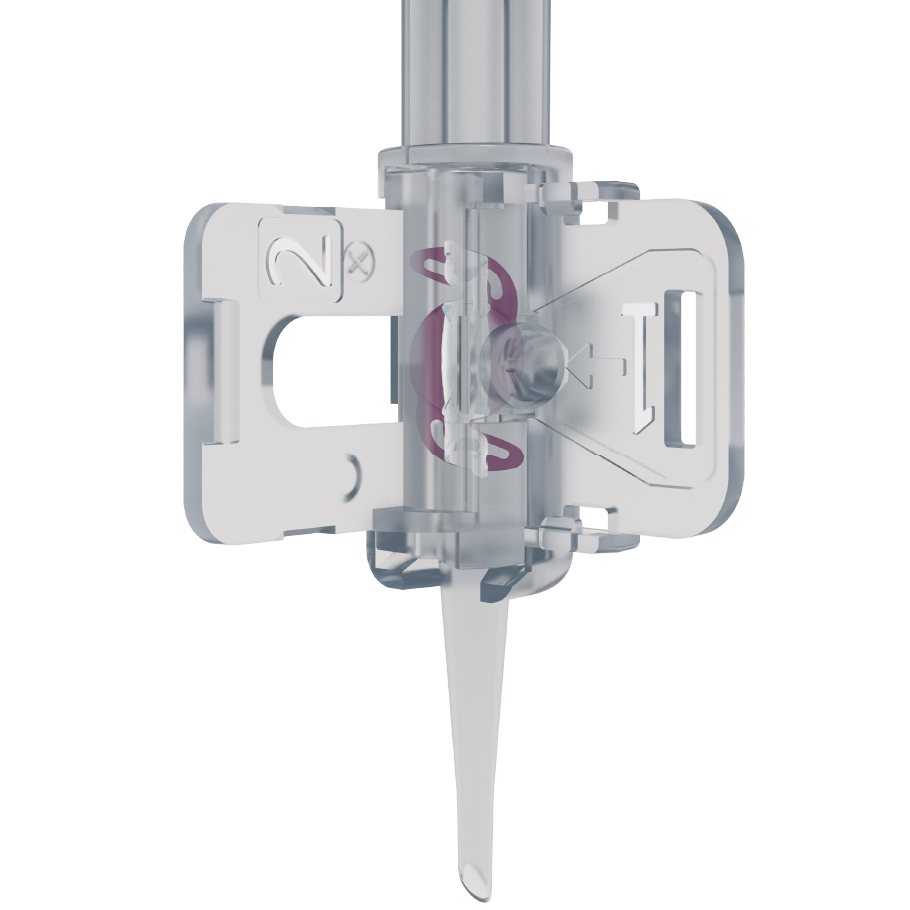
RayOne Galaxy review: reading vision with fewer halos?
RayOne Galaxy RAO605G: spiral-optic claims versus FDA SSED and open clinical studies. Near vision, halos, contrast and hydrophobic-model limits.

ZEISS AT ELANA 841P review: a newer trifocal, but what is clinically proven?
AT ELANA reading vision, contrast and halos: separate ZEISS optical claims from clinical studies, including the October 2026 one-year report.
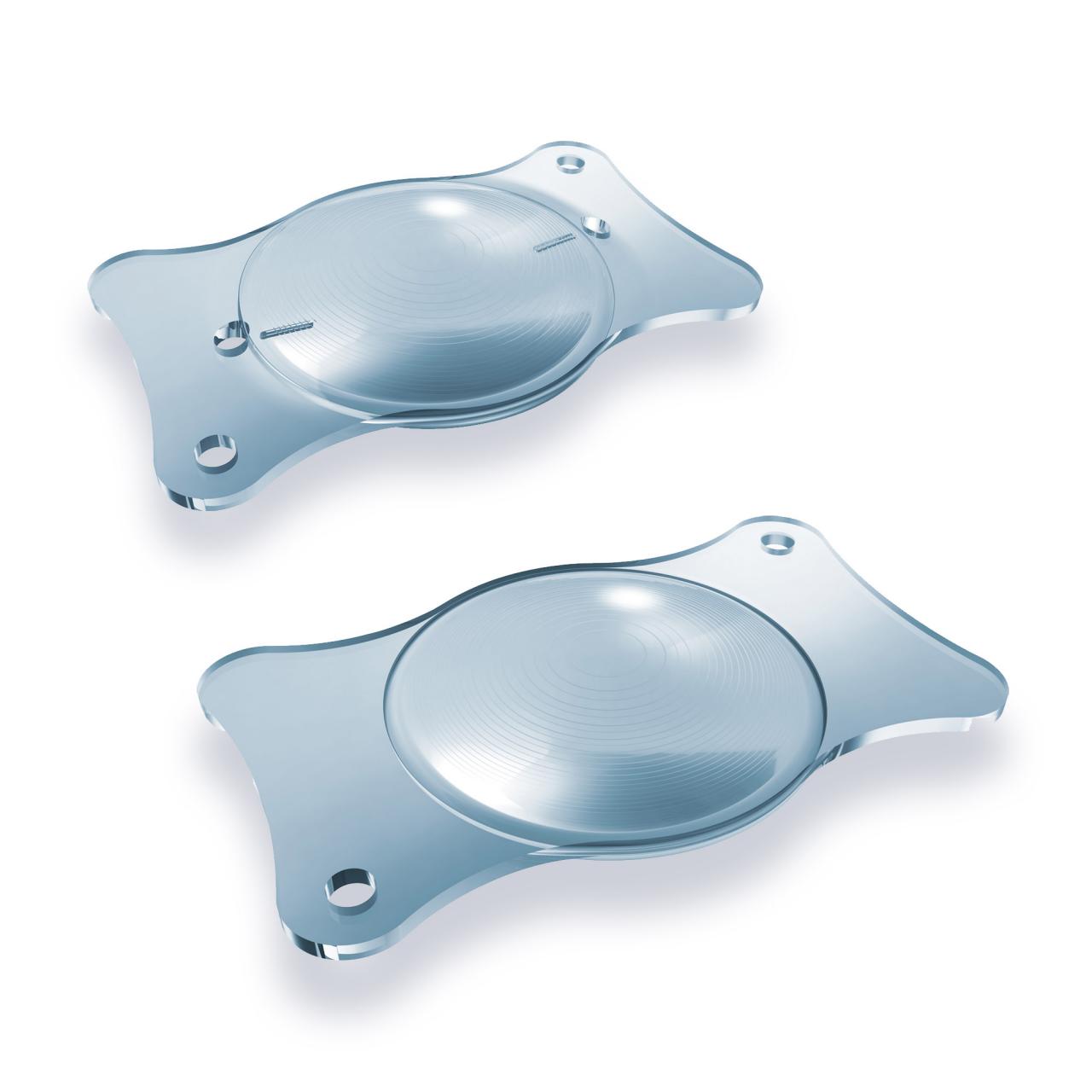
ZEISS AT LISA tri review: reading without glasses and the longer-term trade-offs
AT LISA tri 839MP and toric variants explained: manufacturer claims, randomized comparisons, six-year follow-up, halos and capsule treatment.

How Do You Choose a Cataract Clinic That Offers Only One Lens Brand?
One IOL brand is not automatically a poor choice. Check the exact model, medical suitability, intended vision and aftercare before comparing cataract clinics.

One Eye Already Has an IOL: How Do You Plan the Second?
Bring the implant details and the first eye's actual result. Learn what to discuss before choosing the second IOL, without assuming an identical model guarantees balance.

Can You Have Different IOLs in Each Eye?
Different lens powers, focus targets and IOL designs are not the same choice. Understand mix-and-match and the questions to ask about your two-eye plan.

Are Premium Cataract Lenses Worth the Extra Cost?
Before paying extra for a cataract lens, compare the daily task it could improve, the glasses you may still need and what the clinic's quote actually includes.

PureSee vs Eyhance: which lens is better for computer work and reading?
PureSee or Eyhance for computer work and reading? What direct patient studies found, where glasses may still be needed, and what to ask your surgeon.
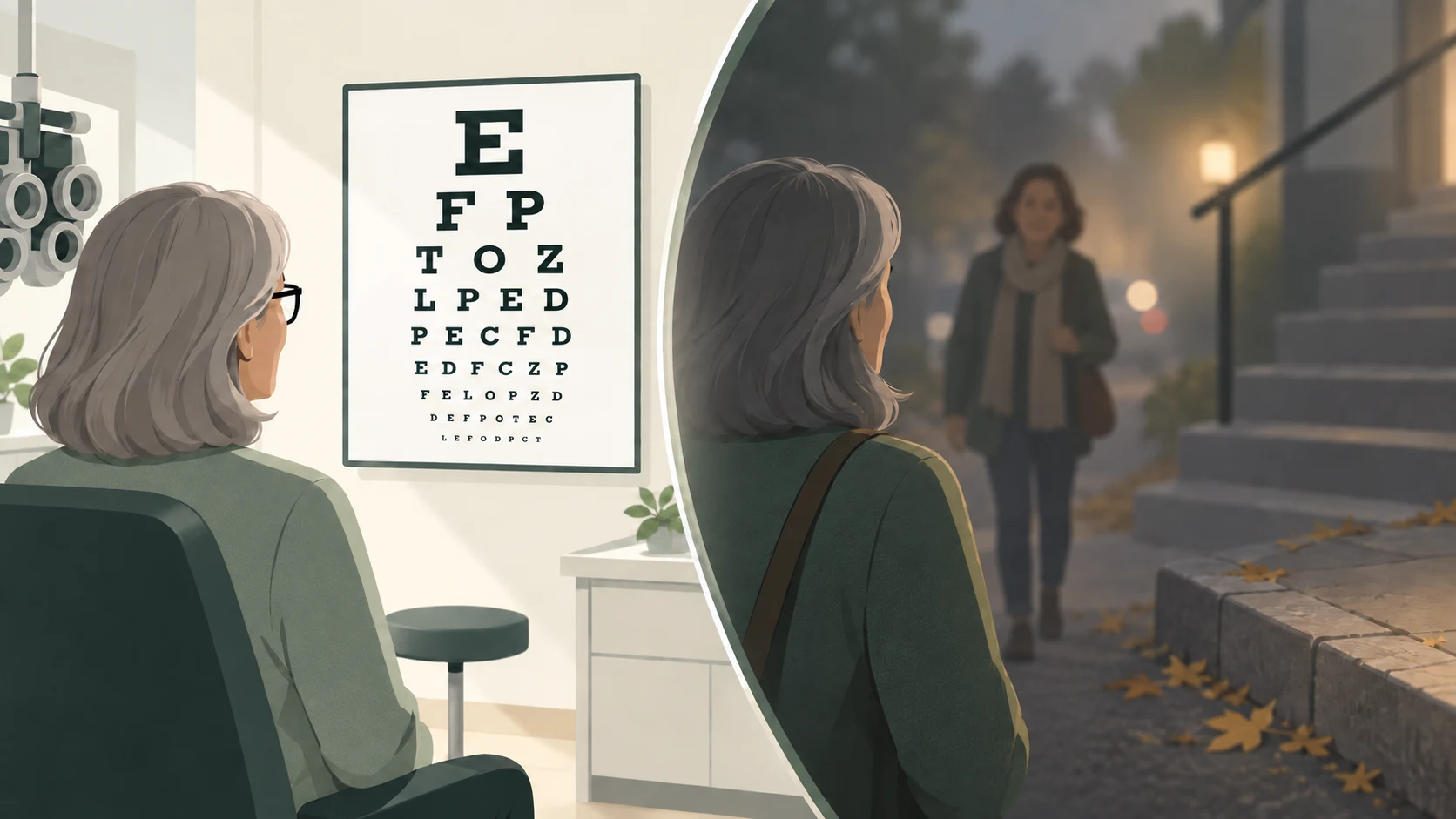
Vision Tests: What They Show and What They Miss in Everyday Life
Why a good eye-chart result does not explain every visual difficulty after cataract surgery, and how to describe reading, glare and contrast problems to your surgeon.
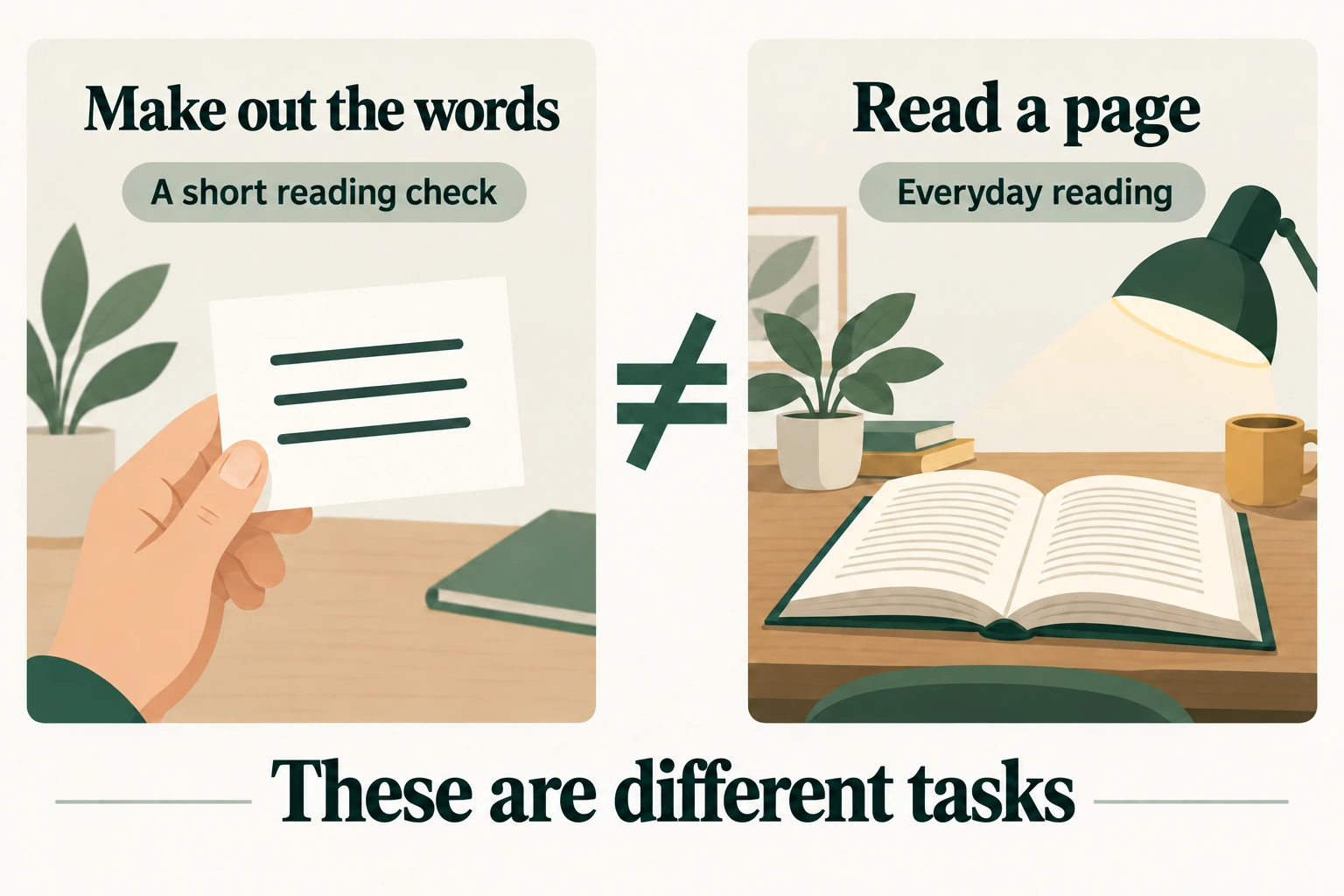
“But I Can Read It.” The Trap in Judging Reading Vision After Lens Replacement
Why reading small letters is not the same as reading comfortably. Acuity reserve, threefold print size, five chart lines and better questions before IOL surgery.
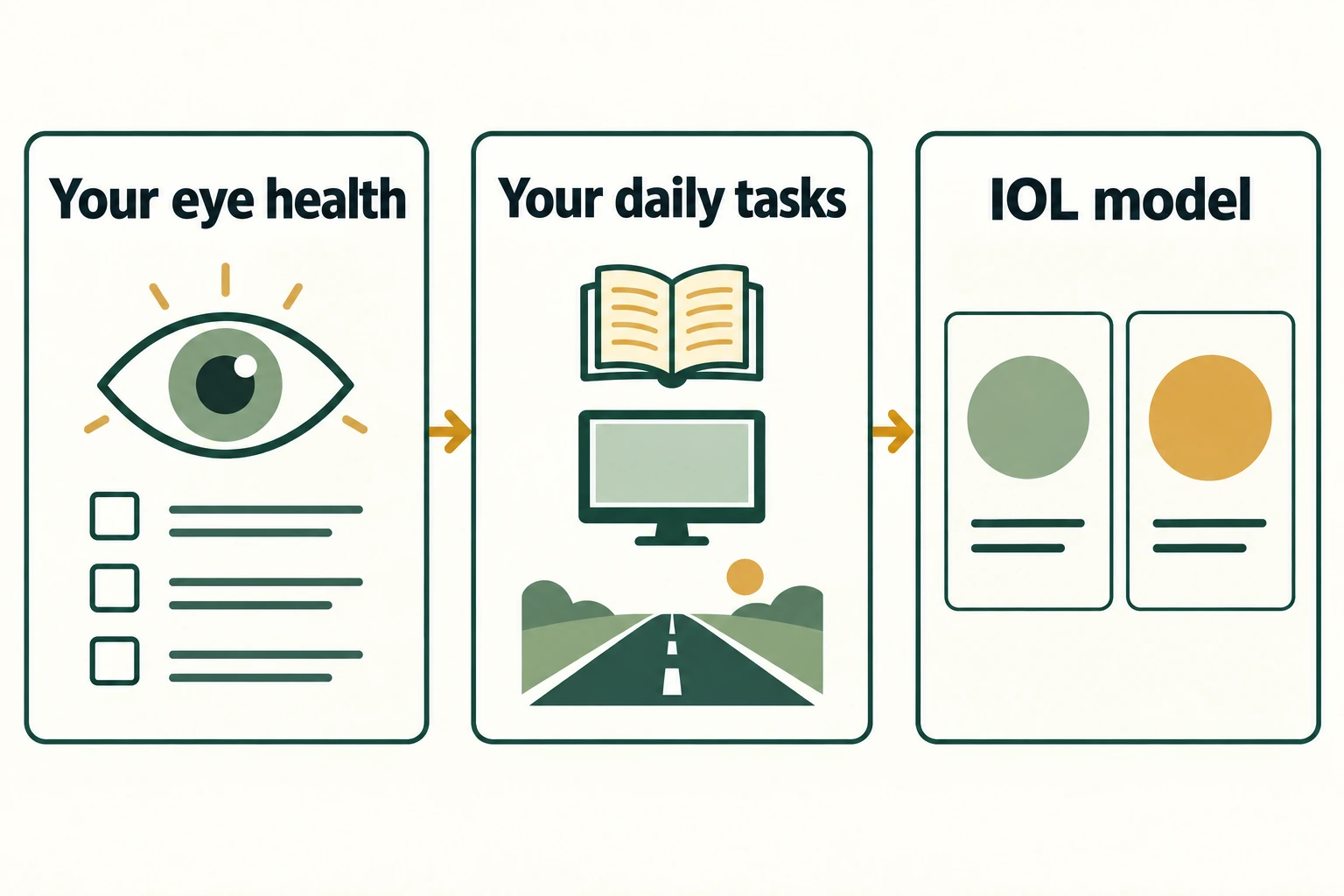
Best Monofocal IOL? Start With More Than the Brand
How to compare monofocal IOLs: eye health, daily tasks, glasses, target focus and the clinical evidence for enhanced options such as Eyhance.
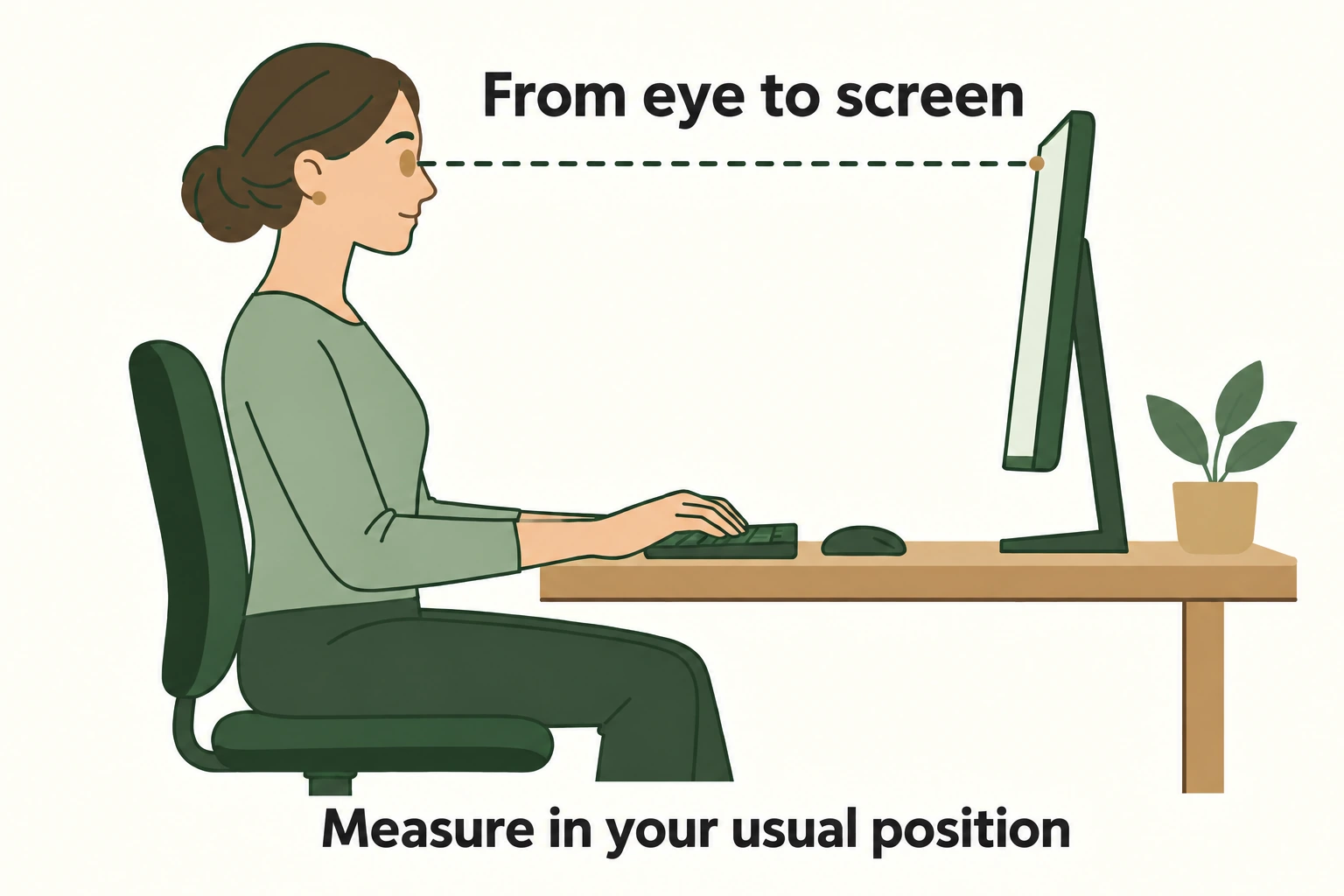
Best IOL for Computer Work? Start With Your Screen Distance
Measure your real screen distance before comparing IOLs. Understand computer glasses, intermediate vision and why reading a chart is not an entire working day.
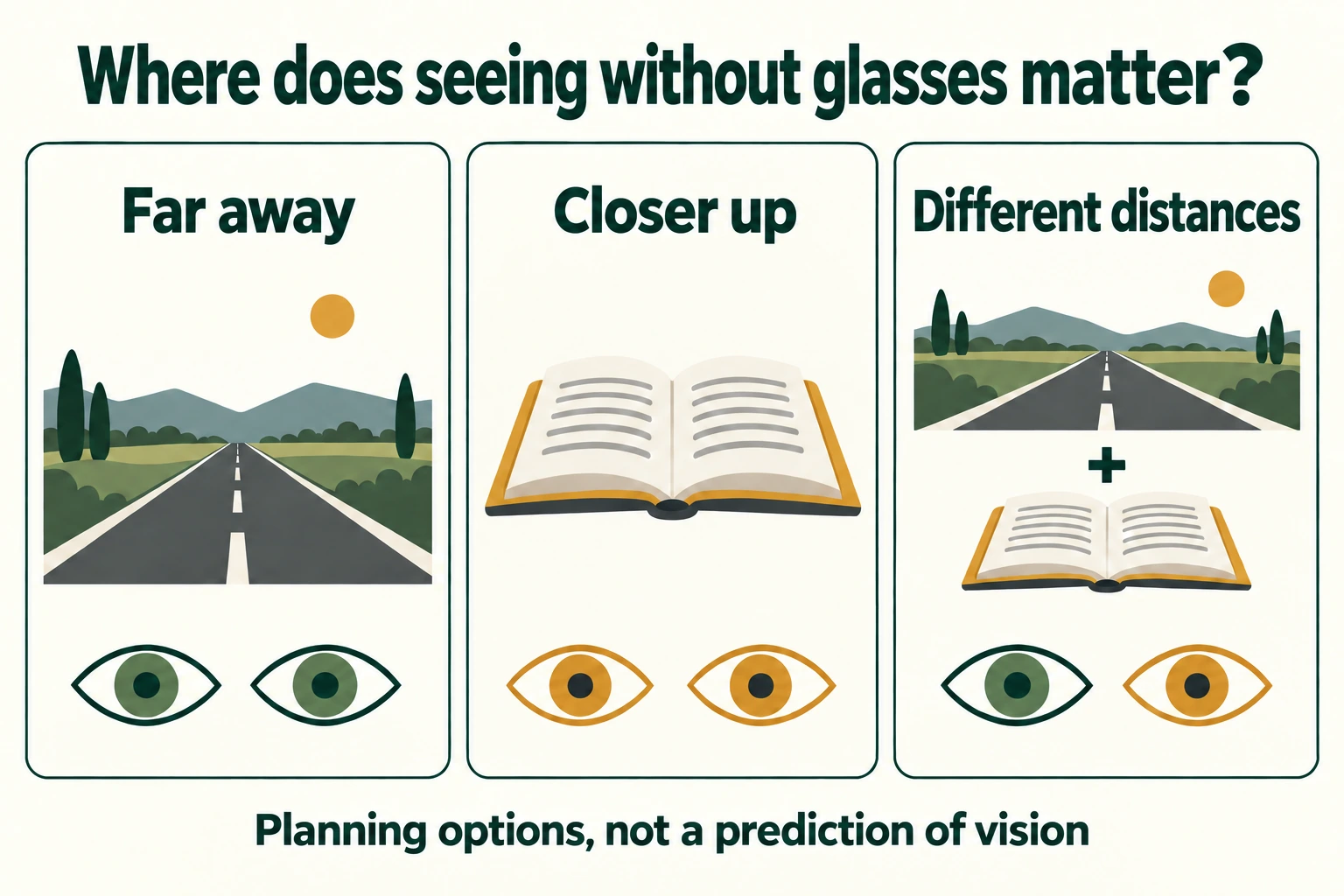
Distance, Computer or Reading? Choosing Your Focus Target After Cataract Surgery
Distance, closer focus or monovision? Learn why an IOL model and its planned target are different decisions, and what to agree with your surgeon.
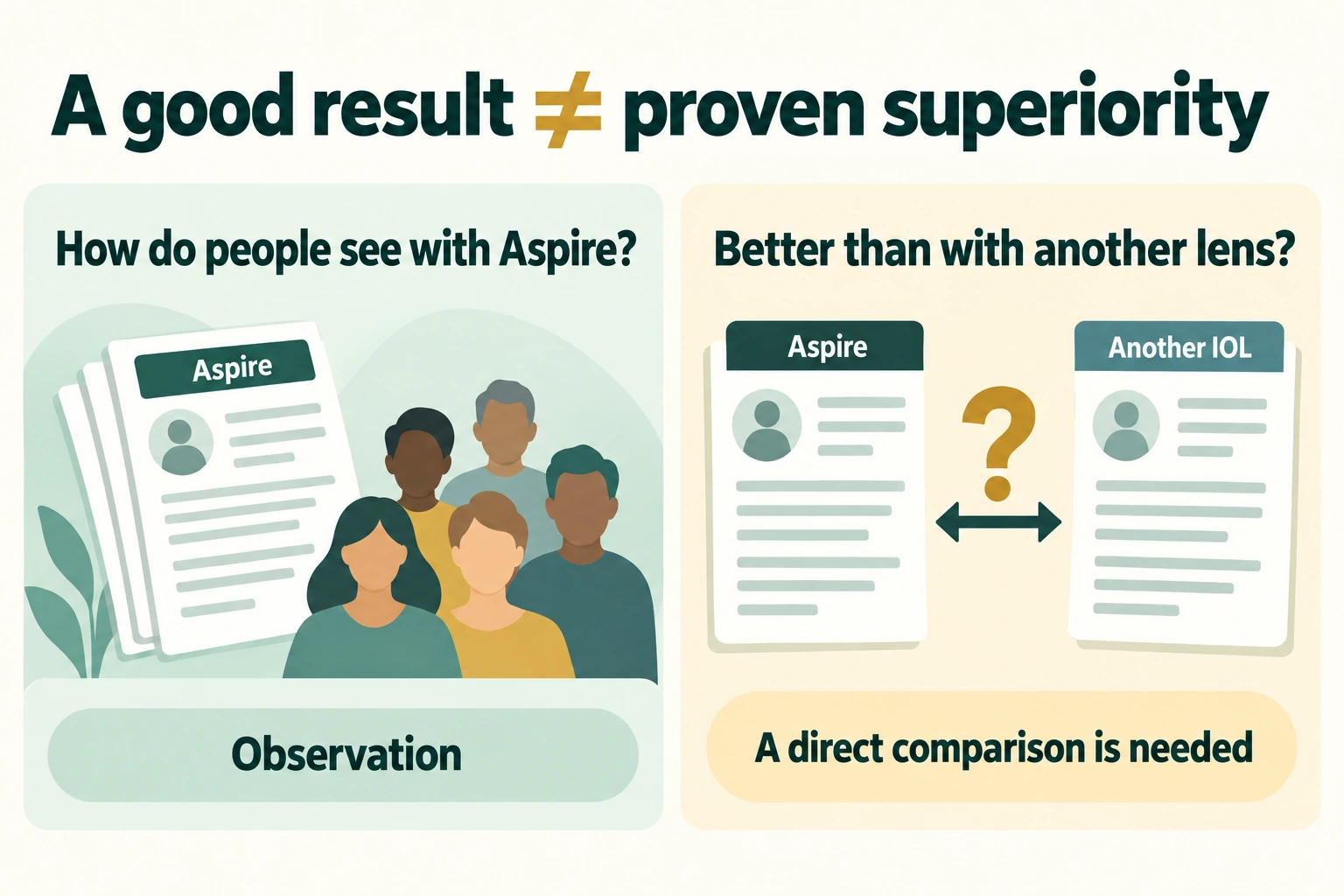
enVista Aspire: what the new 141-eye study tells us—and what it does not
A closer look at Aspire outcomes in 141 eyes: the people behind “100%”, missing comparison groups, testing distances and the current safety wording.
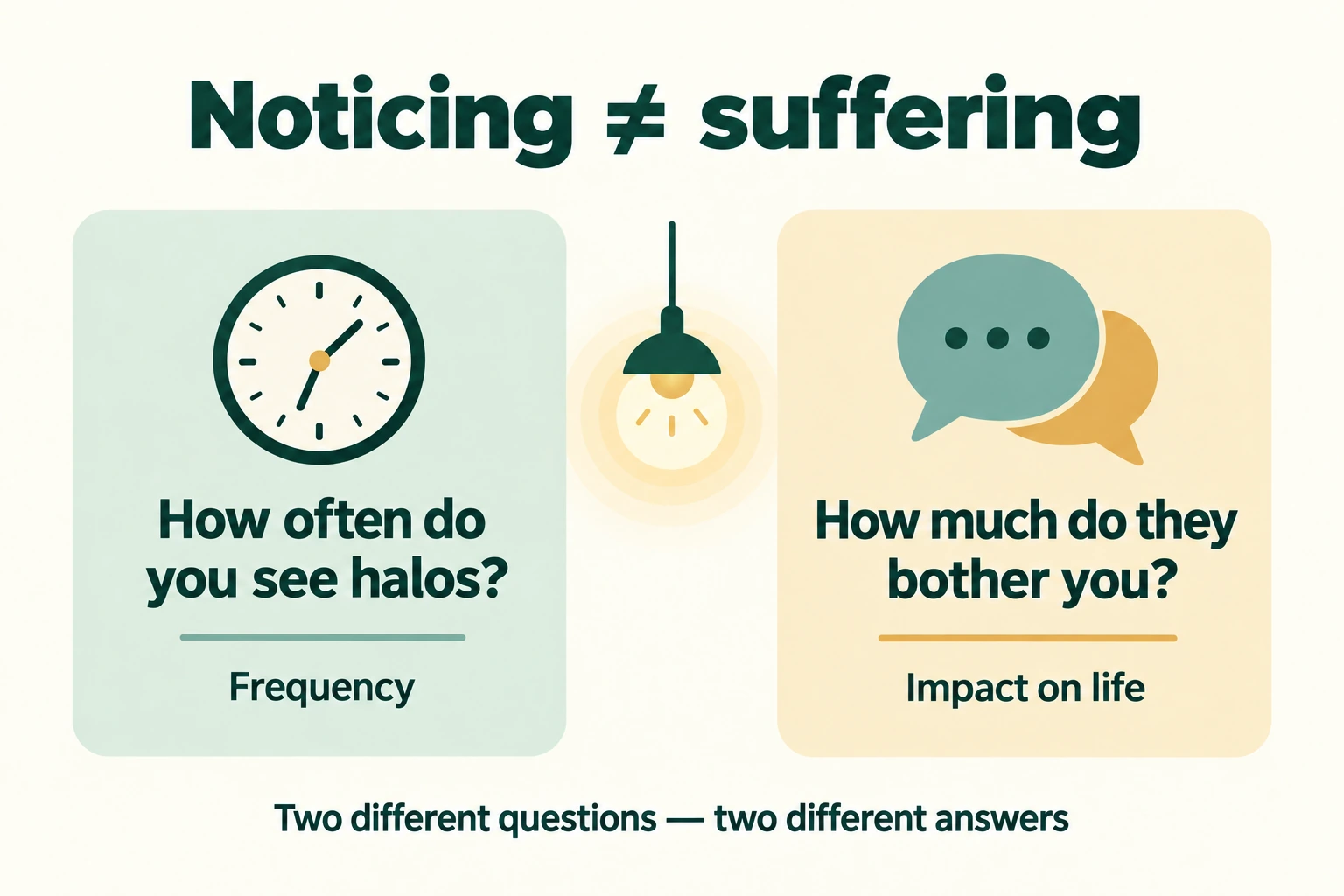
TECNIS Odyssey: good near-to-far vision—but what do the halo numbers really mean?
Odyssey clinical studies reviewed: why noticing halos differs from bother, what contrast tests measured and where comparisons with other IOLs remain limited.
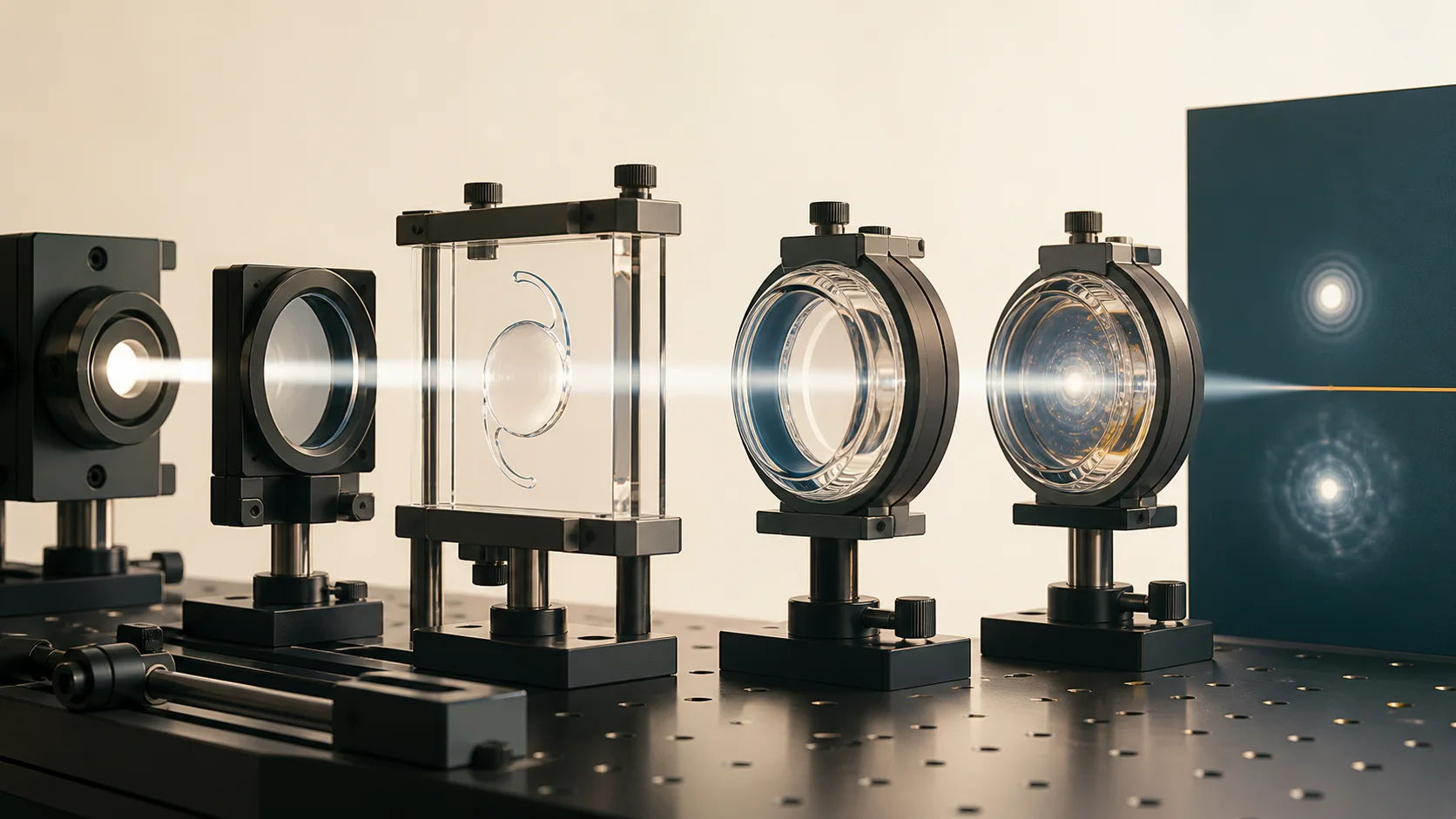
How IOLs Are Tested in the Lab — and Why Bench Tests May Not Show the Whole Picture
How optical-bench tests measure IOLs, what ISO2 and ACE model eyes mean, and why MTF results cannot by themselves predict a patient’s vision.
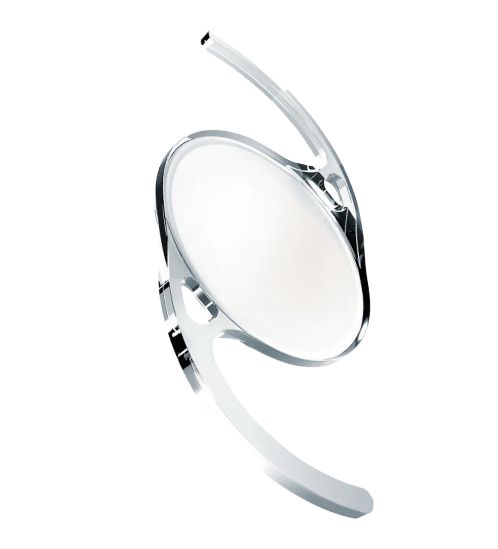
enVista Aspire IOL Review: Good Idea, Not Enough Evidence
enVista Aspire may add intermediate vision, but key claims rely on data on file and model-eye tests. See the 29-eye study, recall and evidence verdict.

Who Can Help Me Choose the Right IOL Before Cataract Surgery?
Understand the roles of your cataract surgeon and an IOL technology adviser, when a second perspective may help, and how to prepare for an informed lens decision.
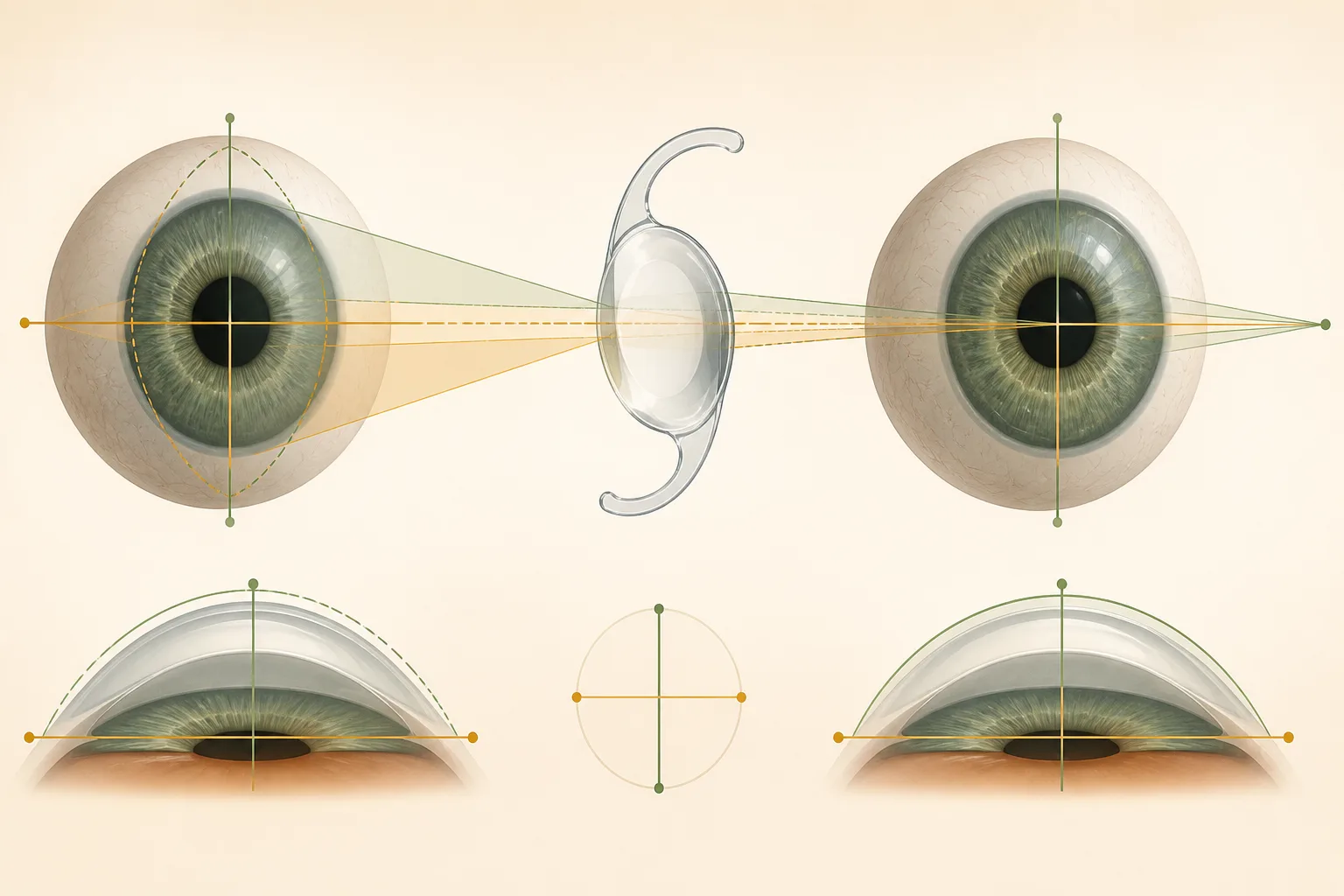
Best IOL for Astigmatism? What a Toric Lens Actually Changes
A plain-language guide to corneal astigmatism, toric IOL calculation, rotation, residual cylinder and the questions worth asking before surgery.
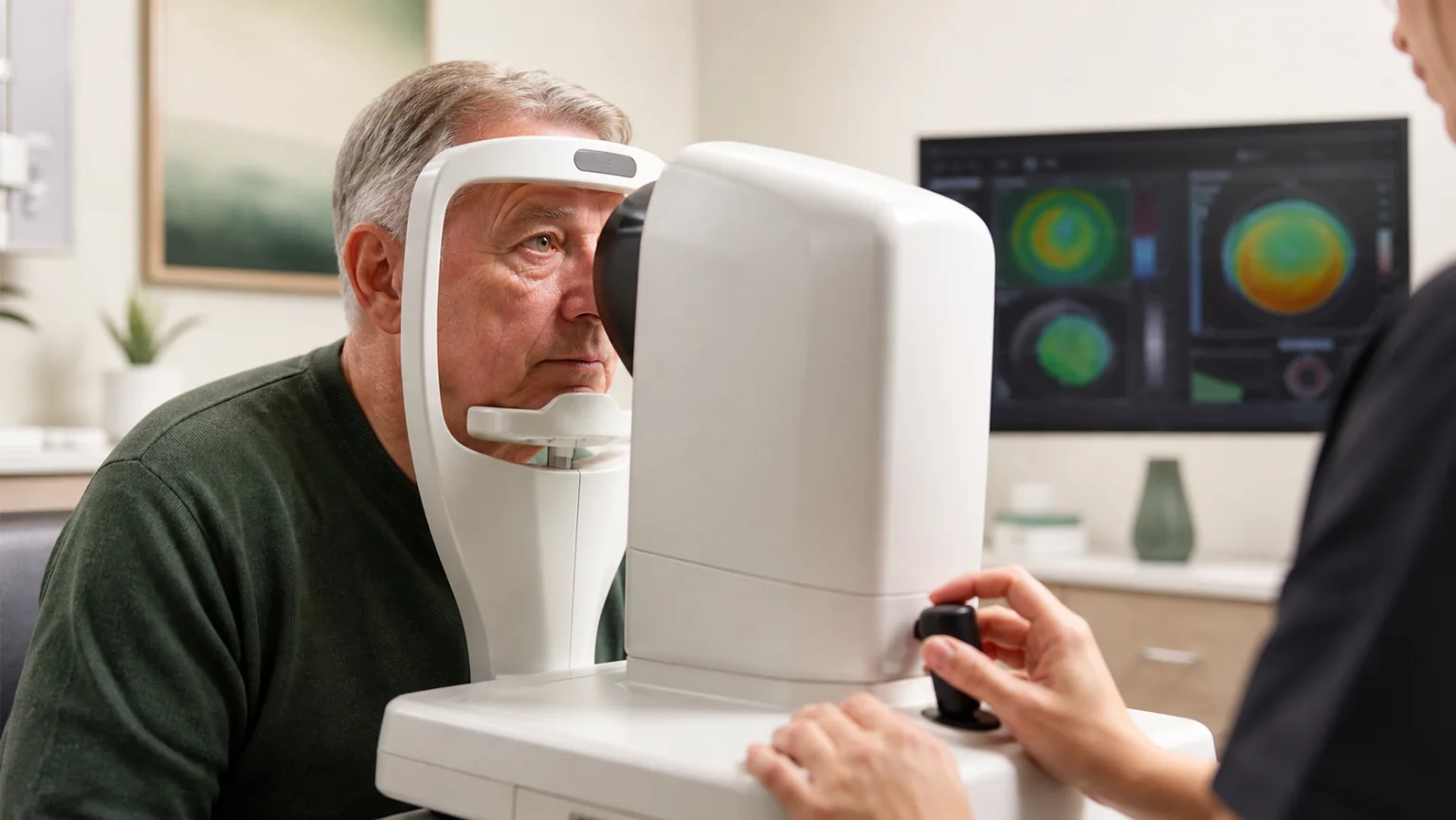
Cataract Surgery After LASIK, PRK or RK: What Changes?
Previous laser vision correction does not rule out cataract surgery, but it changes corneal measurements, IOL calculations and the conversation about lens choice.

Choosing an IOL Before Cataract Surgery: 3 Common Mistakes
Three common IOL-choice mistakes and the practical questions that help patients discuss visual range, glasses and night vision with their surgeon.

Cataract Surgery Recovery: What You Can and Cannot Do
A practical cataract surgery recovery guide covering the first hours and weeks, eye drops, driving, exercise, swimming and urgent warning signs.
Folk Remedies for Cataracts and Glaucoma: What the Evidence Shows
Why testimonials cannot show that eye drops, exercises or folk remedies reverse cataracts or control glaucoma — and what evidence-based treatment does.

Monofocal IOLs and Glasses After Cataract Surgery: The Honest Trade-Off
What distance-targeted monofocal IOLs usually mean for reading, computers and night vision, plus enhanced monofocal and monovision alternatives.
PureSee or Vivity: contrast, reading and vision in everyday life
PureSee versus Vivity: clinical findings on contrast, reading and light effects, what the optical bench adds, and how to use the evidence when choosing.

Exercise, Sports and Sleep After Cataract Surgery
See what people commonly do after uncomplicated cataract surgery, why official timelines differ, and when your surgeon’s instructions must override a generic guide.

Vision and Cognitive Health: What the Evidence Shows — and What It Does Not
Vision impairment is associated with cognitive decline in older adults, but association is not proof that poor vision directly causes dementia or that eye treatment prevents it.

Anxiety Before Cataract Surgery: What Is Normal and What Helps
Why anxiety before cataract surgery is common, what randomized trials show about music and patient education, and when to ask for extra support.
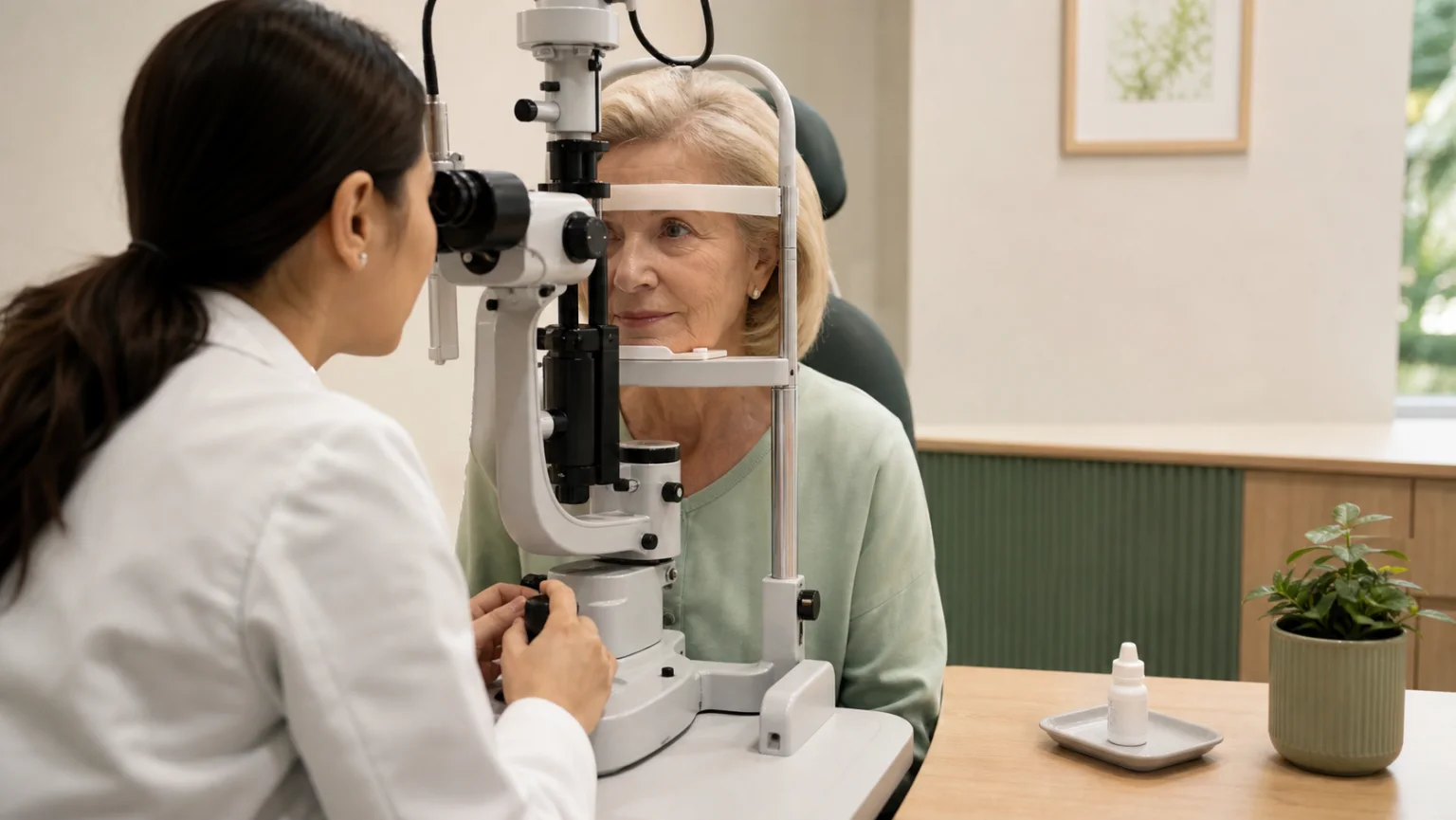
Dry Eye Before Cataract Surgery: Why It Affects IOL Measurements and Vision
A thin layer of tears helps keep the front of the eye optically smooth. If it is unstable, cataract measurements, astigmatism planning and visual comfort can all be affected.
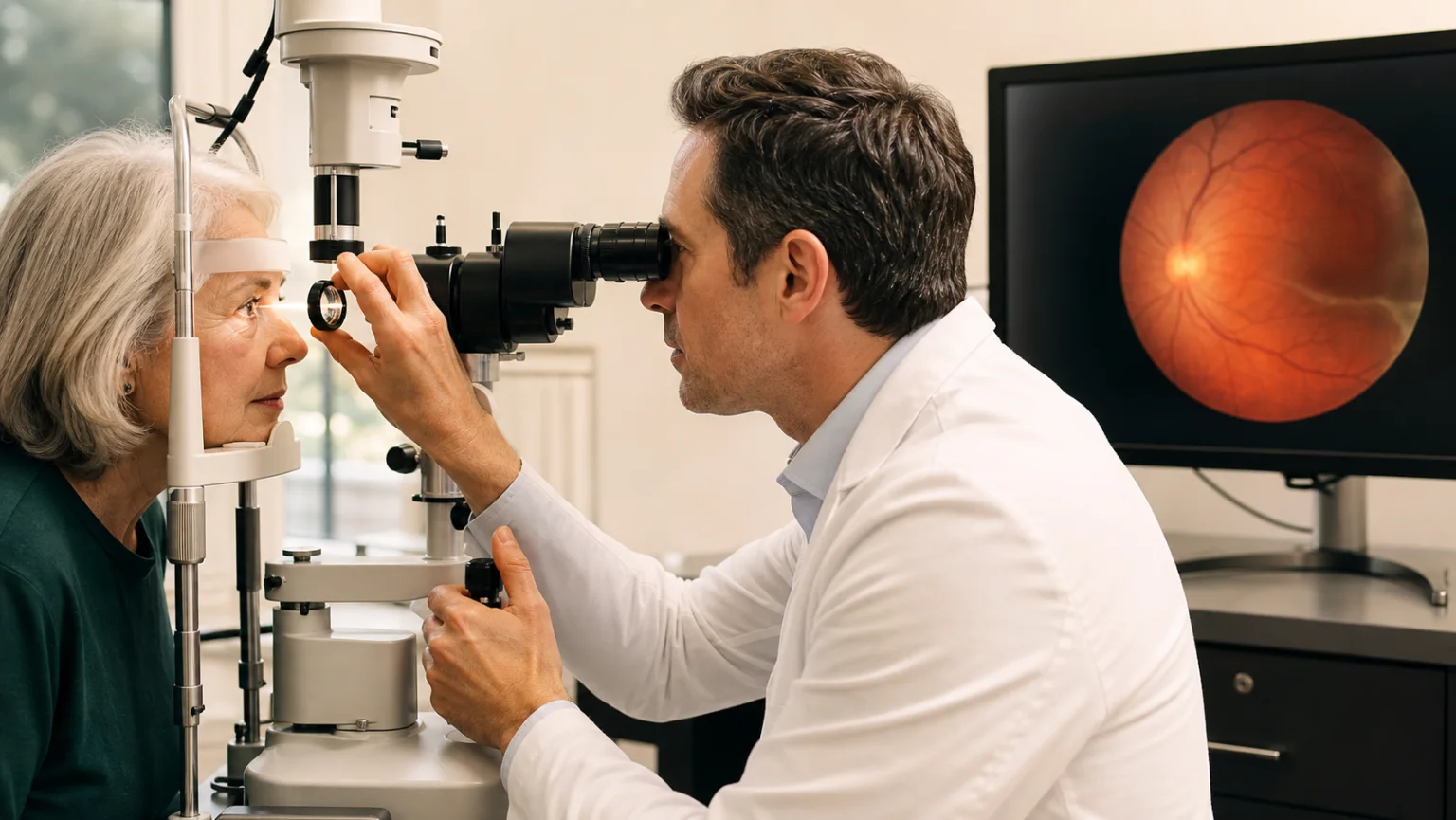
Retinal Detachment Warning Signs: When Floaters and Flashes Are an Emergency
A sudden shower of floaters, flashes or a curtain in your vision can signal a retinal tear or detachment and needs urgent examination.
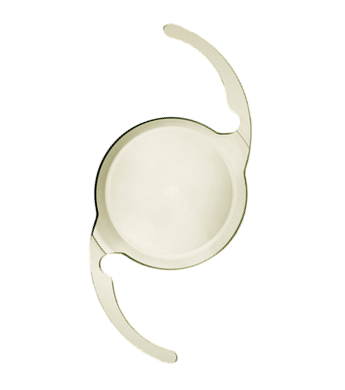
TECNIS PureSee Review
Evidence-cited TECNIS PureSee review combining FDA registration data with Oleksii Sologub’s interpretation of range, contrast, halos and the trade-off versus Symfony.

TECNIS Symfony Review: EDOF Range, Contrast and Halos
An evidence-cited TECNIS Symfony review covering distance, intermediate and near vision, spectacle use, contrast and night symptoms.

Halos, Glare and Starbursts After Cataract Surgery
Why halos, glare and starbursts can appear after cataract surgery, what may improve with adaptation, and when symptoms need an eye examination.
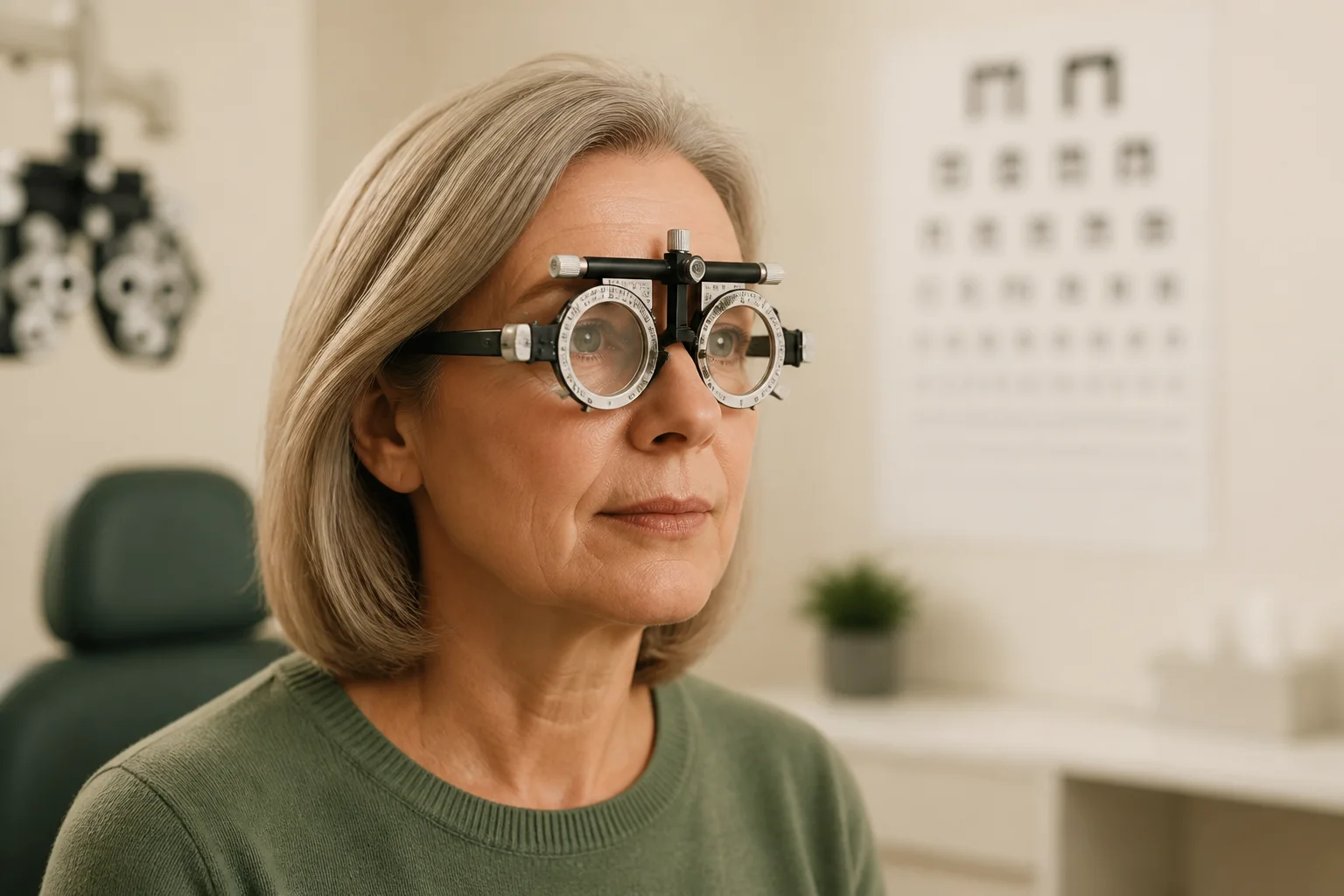
Why Glasses Do Not Always Improve Vision to 20/20
What glasses can correct, why best-corrected vision may remain limited, and how retina, optic nerve and amblyopia can set the ceiling.

Why no IOL is perfect
When you choose an intraocular lens, you are not choosing between "good" and "bad." You are choosing between different sets of benefits and compromises.…

Enhanced Monofocal IOLs: Why the Improvement Can Be Easy to Miss
Enhanced monofocal lenses, such as the Tecnis Eyhance design, are built to give a bit more usable intermediate vision than a standard monofocal lens —…

Why Do Some Presbyopia-Correcting IOL Patients Report Dissatisfaction?
Presbyopia-correcting lenses — the EDOF, multifocal, and trifocal categories designed to reduce or eliminate the need for glasses at more than one distance…
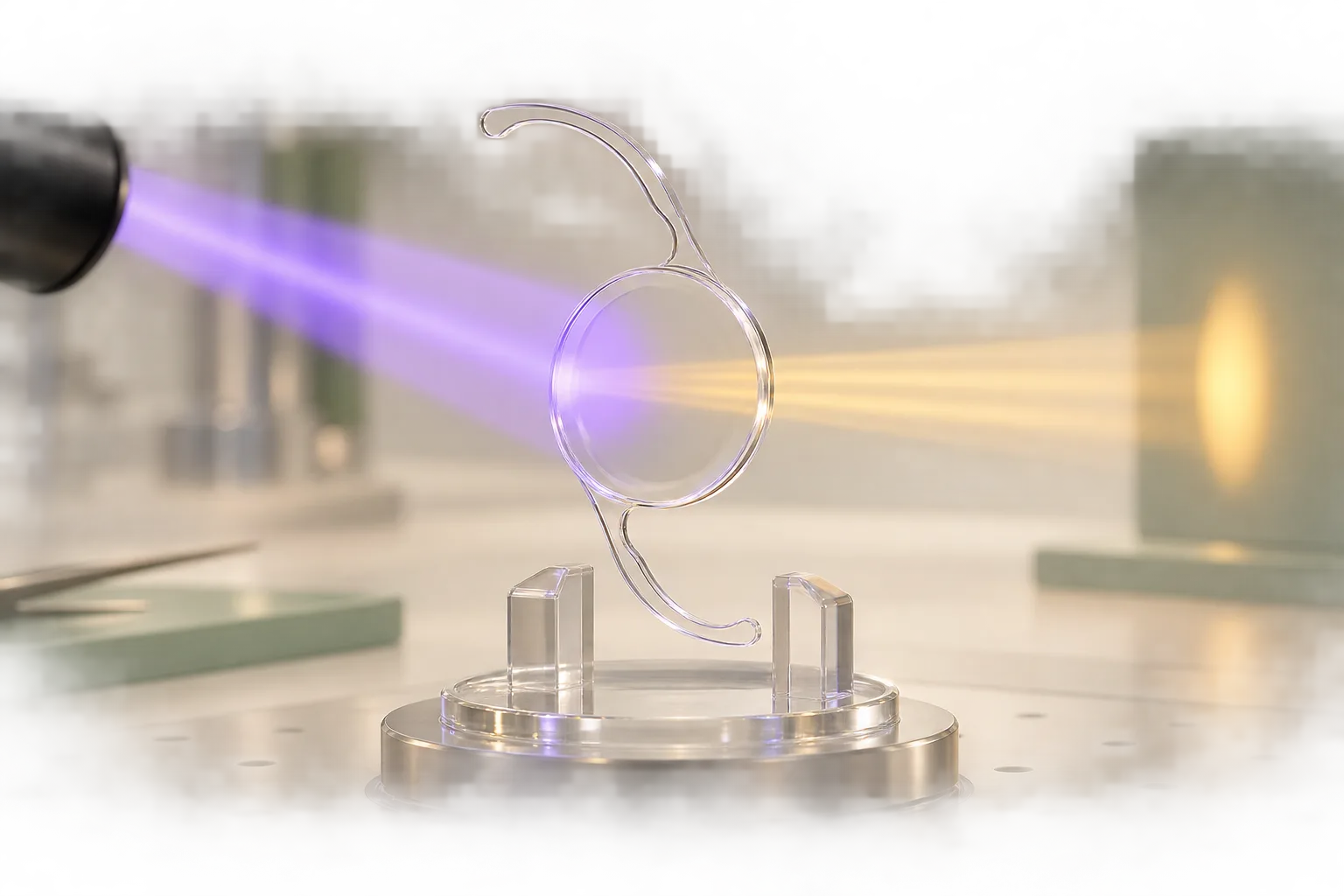
Light Adjustable Lens and LAL+
The Light Adjustable Lens can be modified after surgery. Learn what adjustment can fix, how LAL differs from LAL+, and what the workflow asks of you.

Contrast Sensitivity: What 20/20 Vision Does Not Tell You
Why 20/20 vision can coexist with missing detail in shadows, rain or dim light—and how clinical contrast sensitivity differs from an IOL’s bench MTF.

Cataract surgery and glasses
Whether you'll still need glasses after cataract surgery depends mainly on which IOL category you and your surgeon choose — and on your own visual…

Cataract surgery FAQ
Answers to the questions patients ask most often before cataract surgery — from what to expect on the day itself to how lens choice affects your results.
Cataract Surgery Risks
Cataract surgery is commonly successful but not risk-free. See real registry numbers, what changes risk, and which symptoms need urgent assessment.

Cataract symptoms
Cataracts usually cause blurry vision, difficulty with glare, faded colors, and trouble seeing at night — but because they develop gradually, many people…
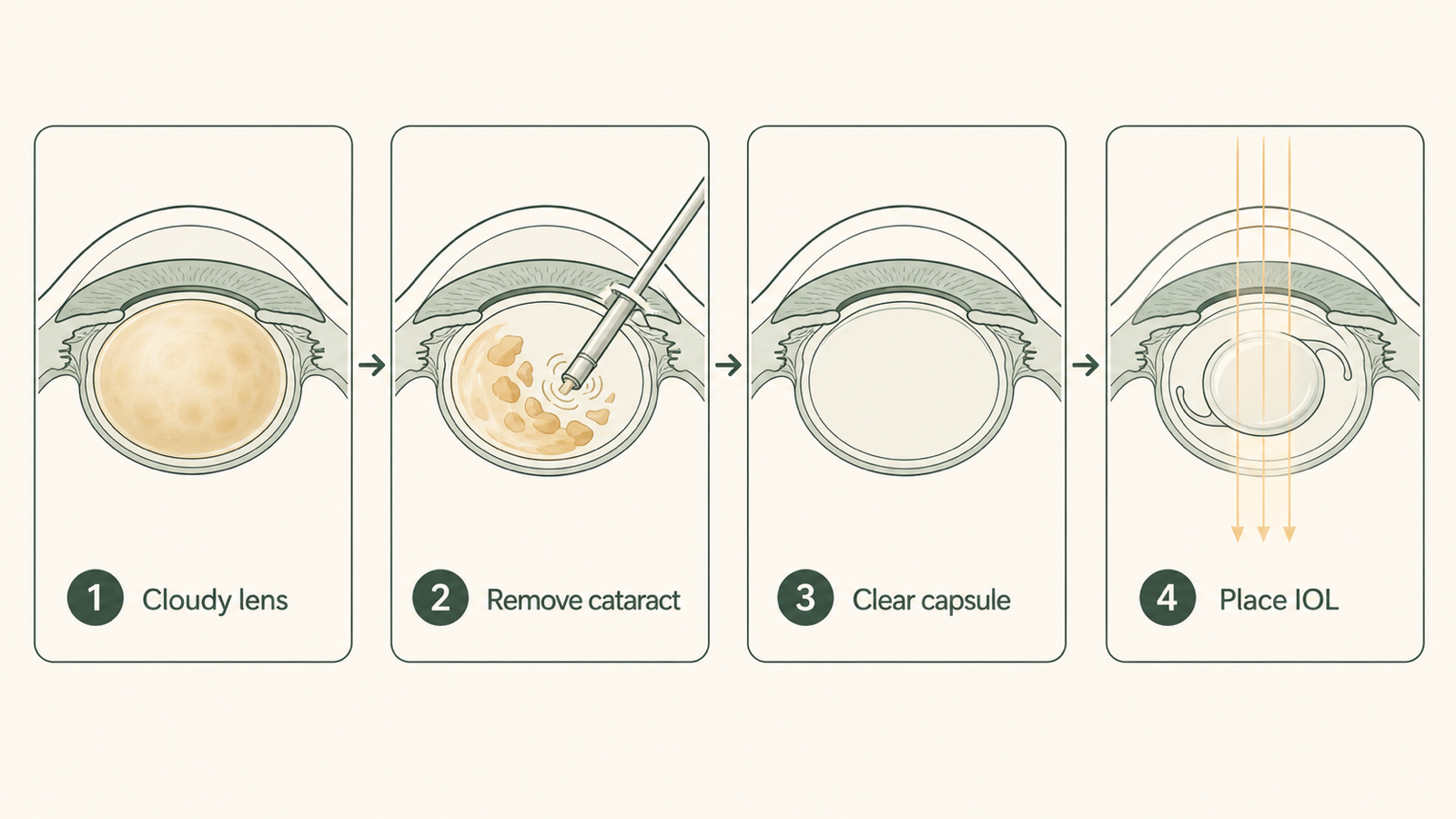
How cataract surgery works
Cataract surgery involves a tiny incision, gentle removal of the cloudy natural lens, and insertion of a clear artificial intraocular lens (IOL) in its…
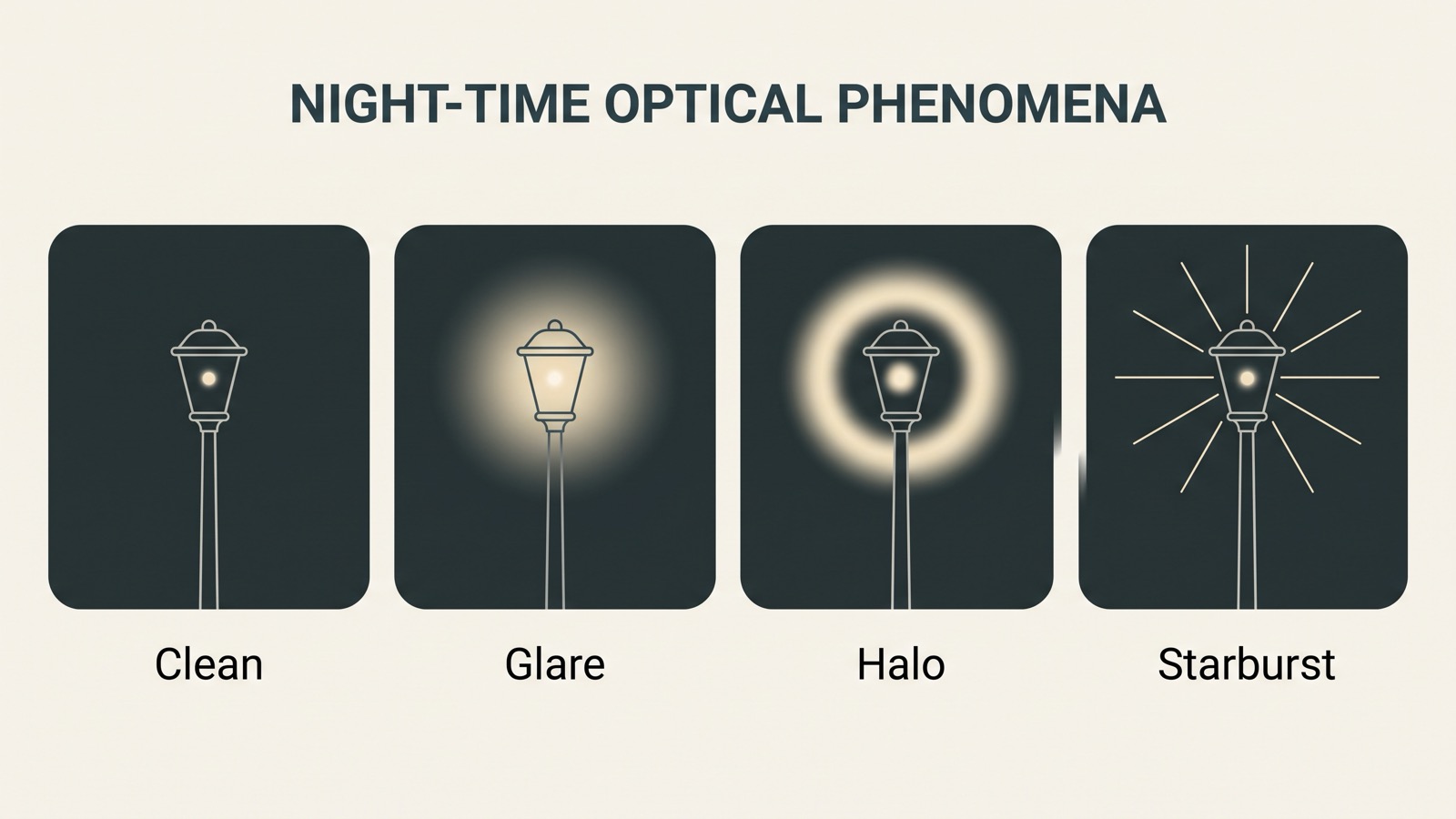
Vision after cataract surgery
Your vision after cataract surgery depends on three things working together — your IOL choice, the specific characteristics of your eyes, and how well your…
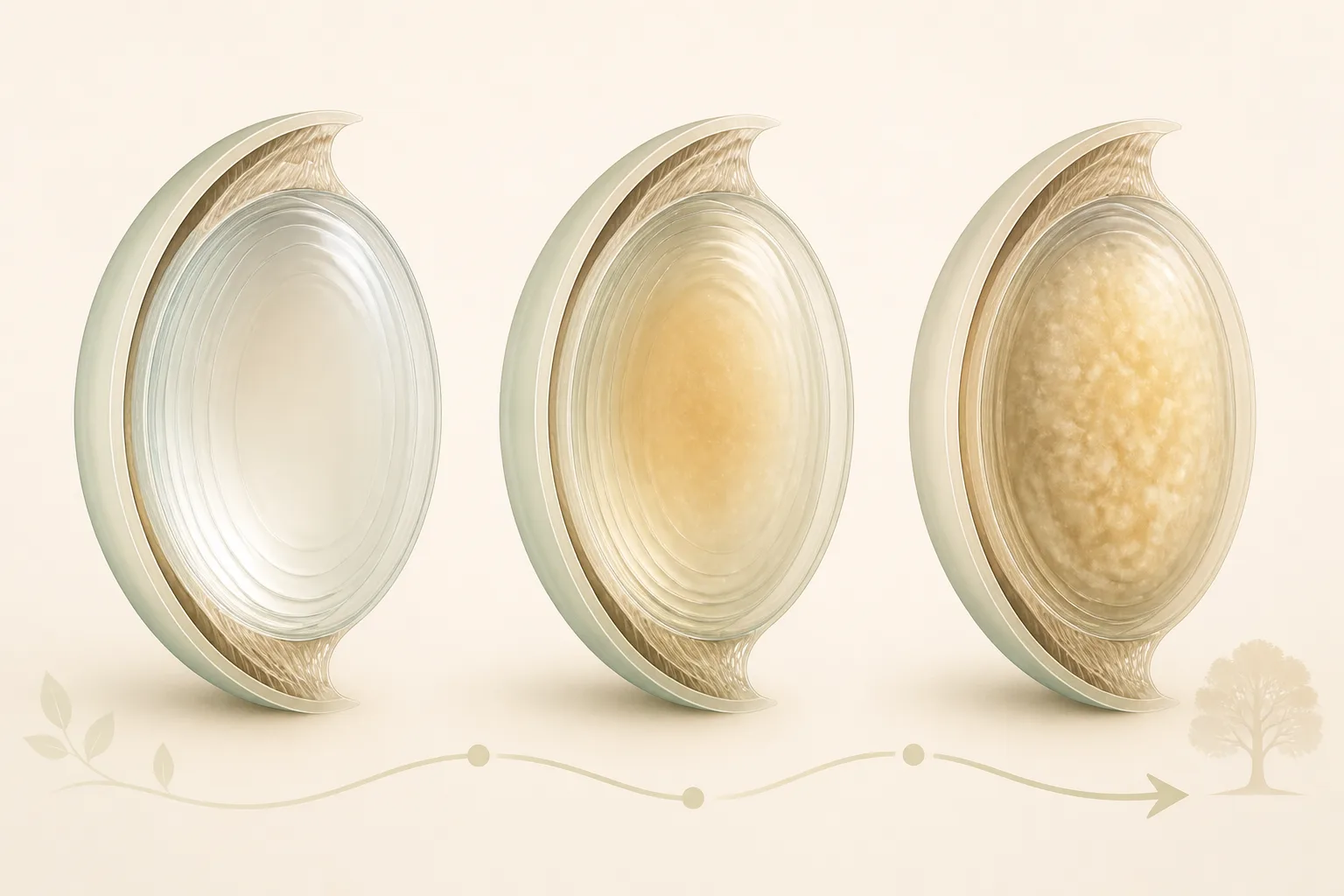
What causes cataracts?
Age is the most common cause of cataracts, but several other factors — UV exposure, diabetes, certain medications, and eye injury — can accelerate or…
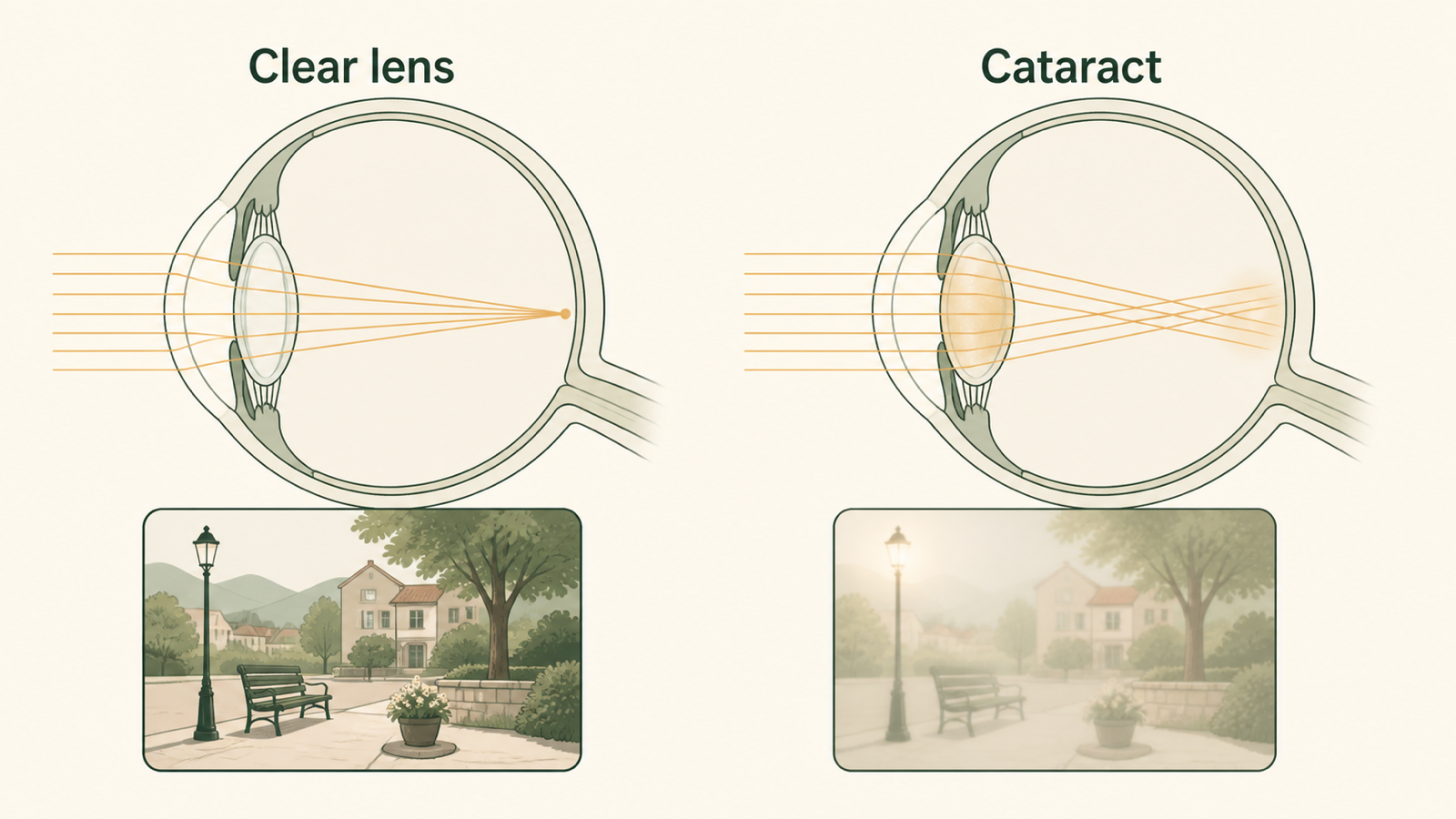
What is a cataract?
A cataract is a clouding of the eye's natural lens that gradually reduces the clarity of your vision. It is not a growth, a film, or a disease that spreads…

When should cataract surgery be considered?
There is no single vision-test score that automatically triggers surgery. The right time is when the cataract starts affecting your daily activities…

Lifestyle and Priorities in Choosing an IOL
How to think through your own visual priorities and lifestyle before choosing an intraocular lens, with questions to bring to your consultation.

Night Driving and IOLs
Night driving depends on contrast, glare, refraction, and eye health—not only an IOL label. Learn what to compare and when symptoms need care.
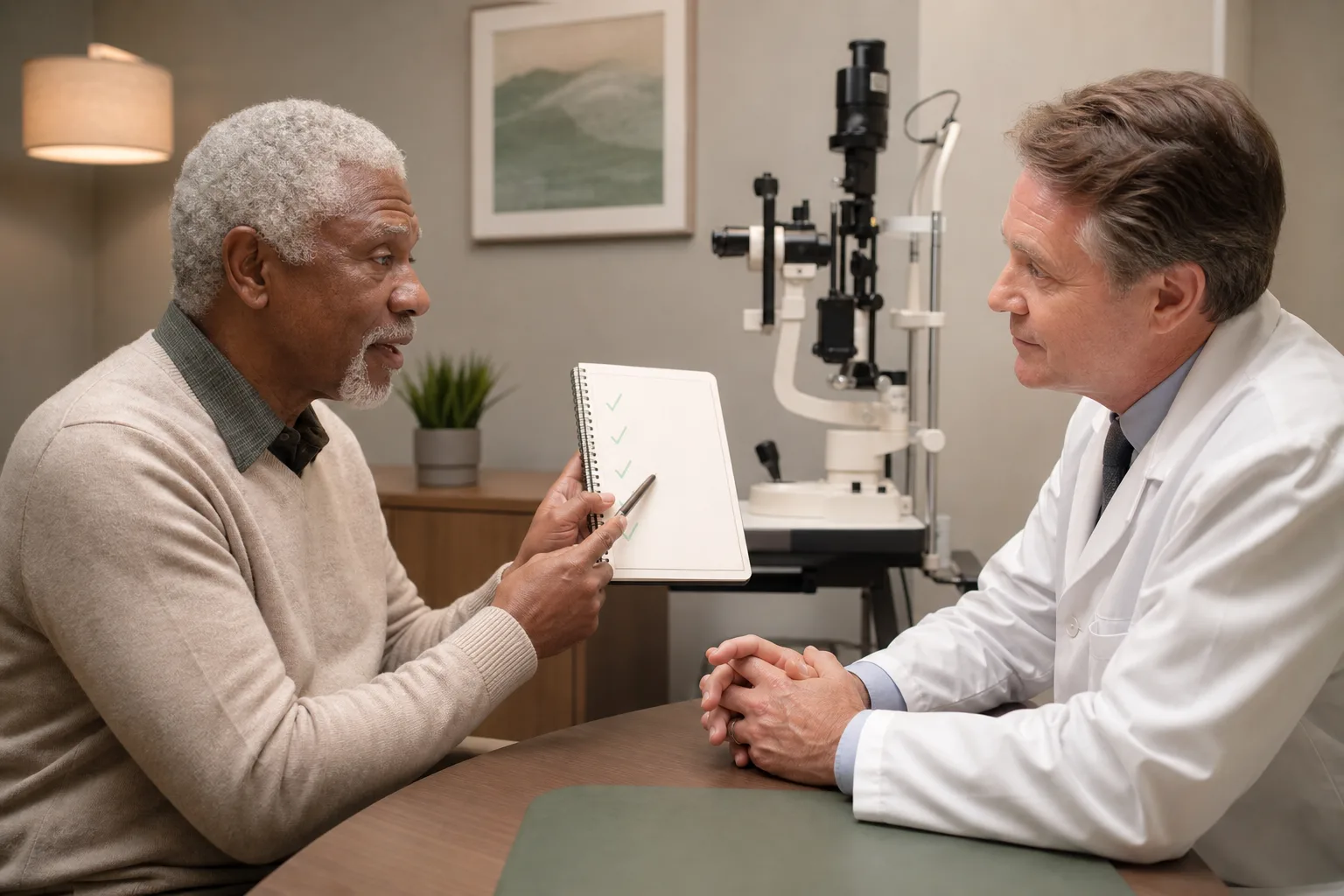
Questions for Your Surgeon Before Cataract Surgery
The key questions to ask your surgeon before choosing an intraocular lens, covering vision goals, eye health, trade-offs, experience, and cost.
Reading Without Glasses After Cataract Surgery
How presbyopia-correcting IOLs extend your range of vision for reading, what neuroadaptation involves, and the realistic trade-offs.
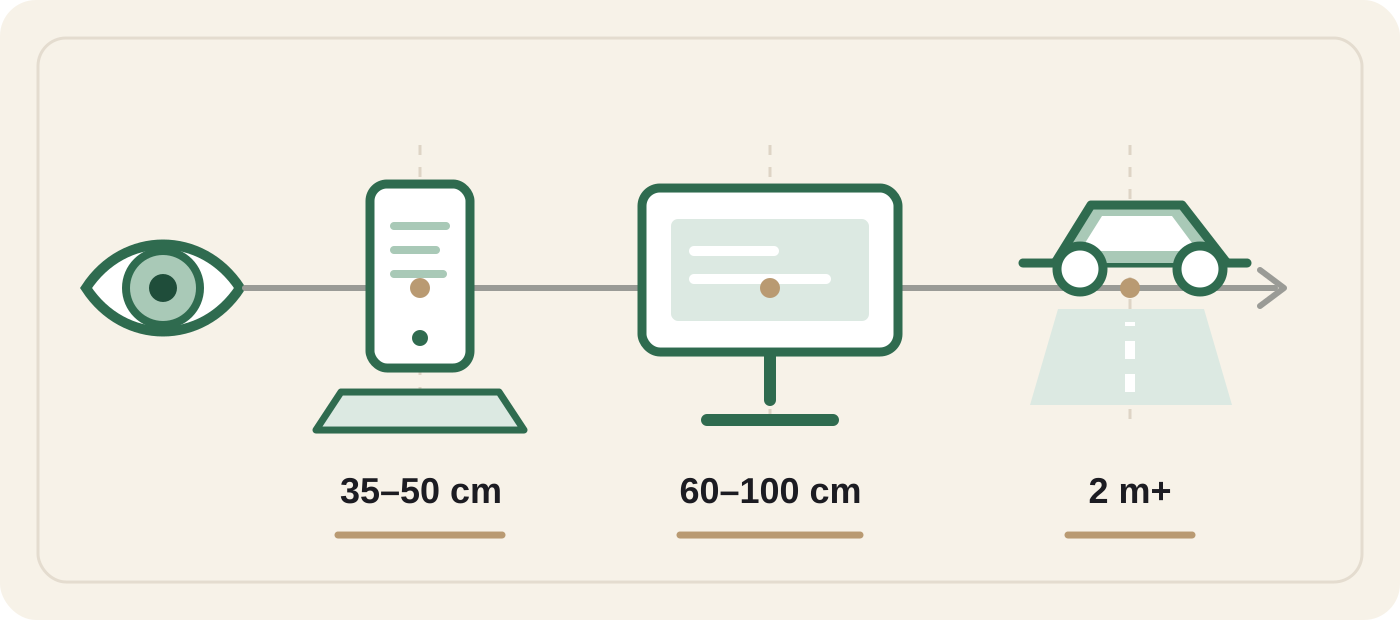
Compare IOLs: where will you still need glasses?
Compare monofocal, enhanced monofocal, EDOF and full-range IOLs by the everyday distances and visual trade-offs that matter.
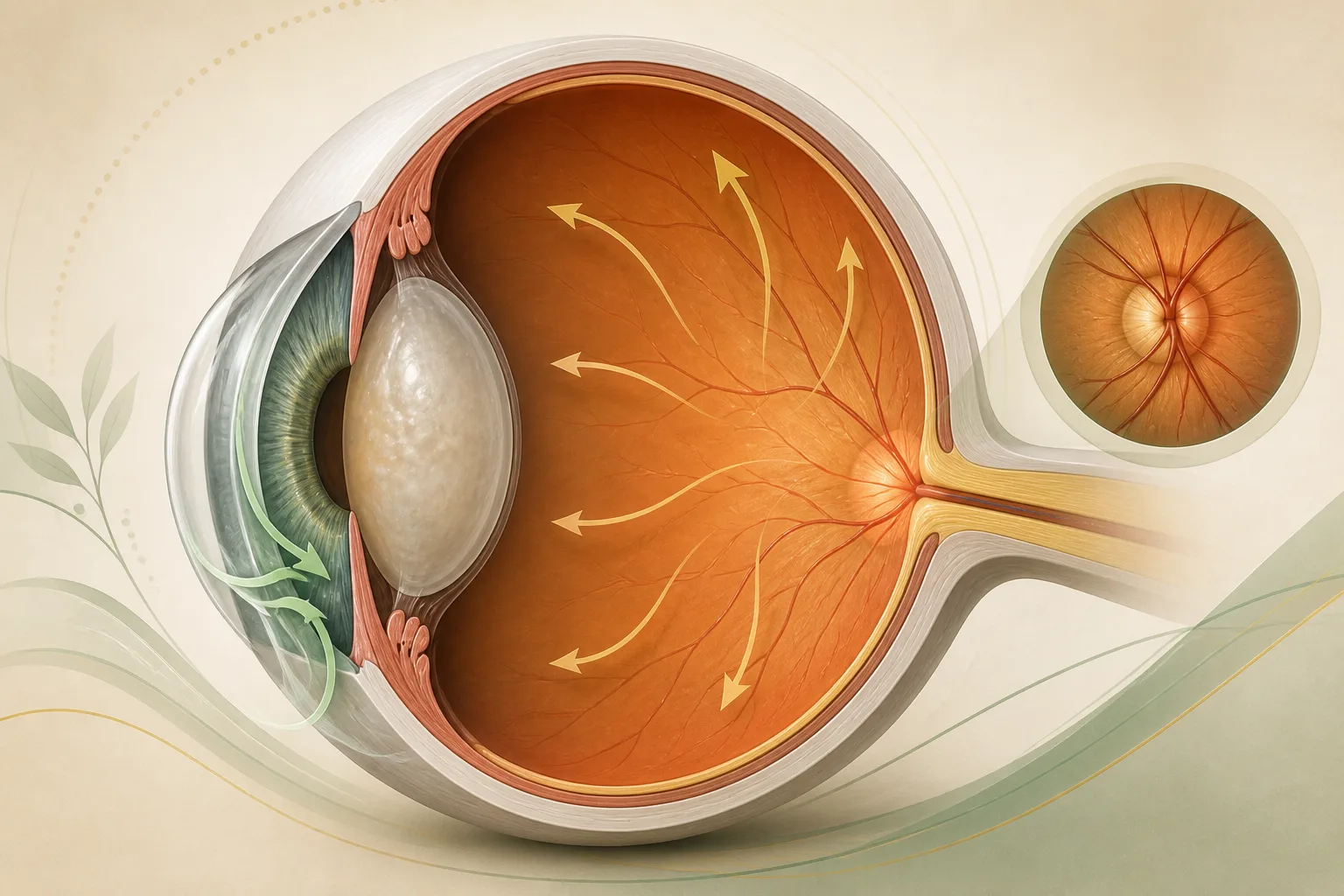
Glaucoma, Cataract Surgery and IOL Choice
Glaucoma damages the optic nerve, often without early symptoms. See why treatment and cataract IOL choice depend on type, stage, and visual priorities.
EDOF IOLs
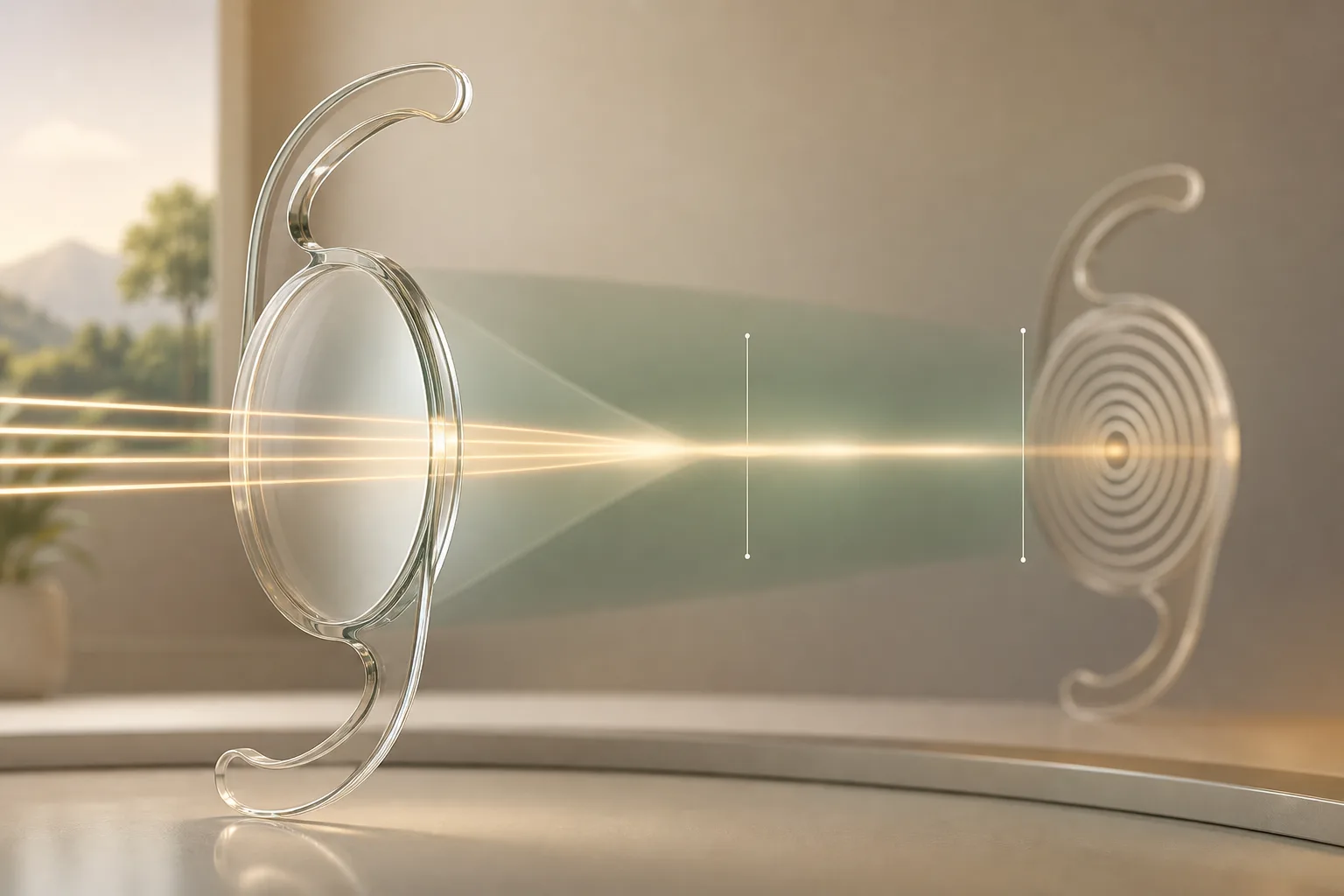
EDOF is a performance category, not one design. Learn what it may provide for distance, screens and reading—and what to ask about contrast and halos.
Enhanced Monofocal IOLs
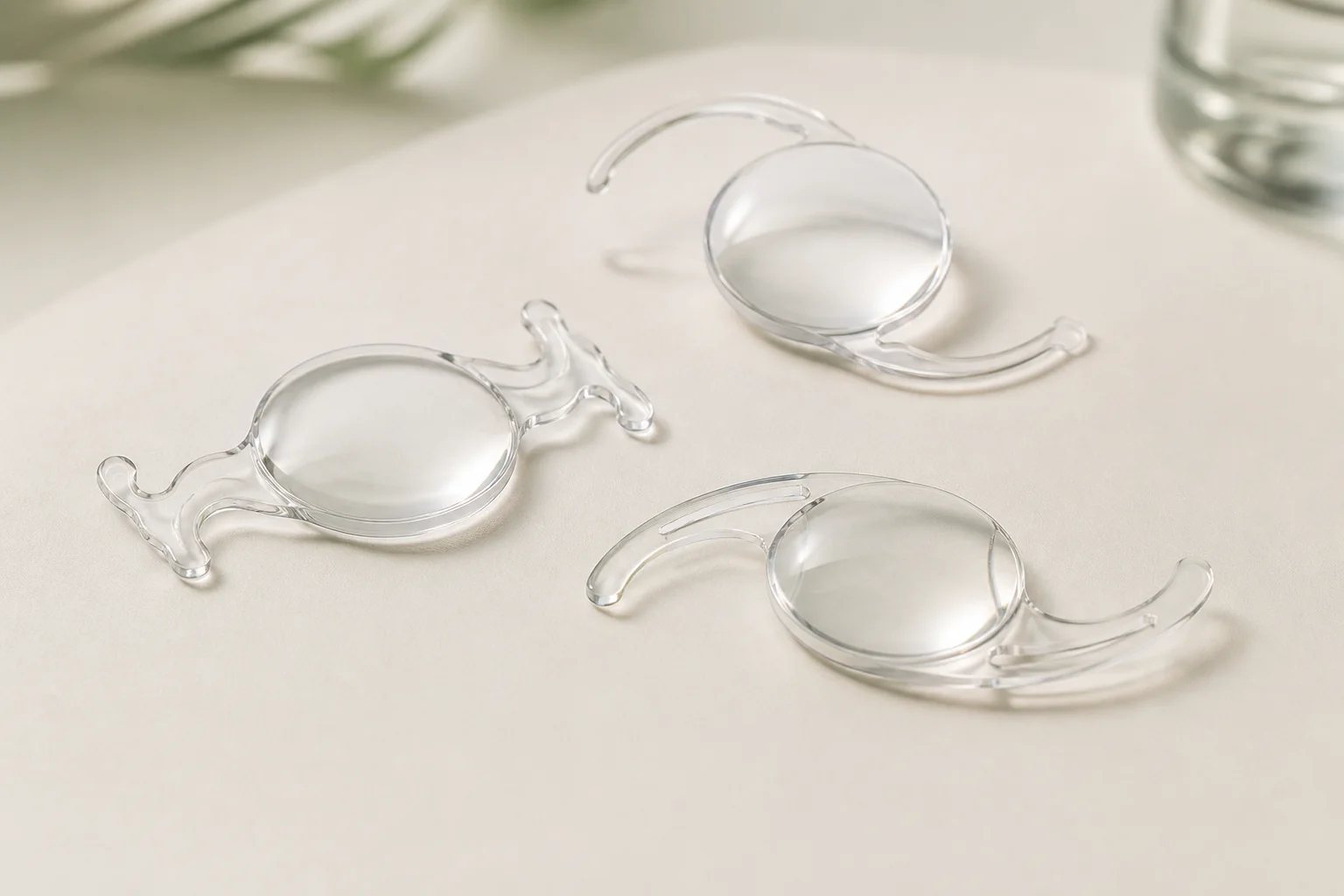
Enhanced monofocal IOLs may add useful intermediate vision while keeping a monofocal-style profile. See the benefit, limits, and evidence.

Full-Range, Trifocal and Multifocal IOLs
Full-range and trifocal IOLs can reduce glasses use across several distances. See the practical benefit, halo and contrast trade-offs, and evidence.
Monofocal IOLs
A monofocal IOL has one main focus. See what that usually means for driving, screens and reading—and which choices matter as much as the lens.
What is an IOL?
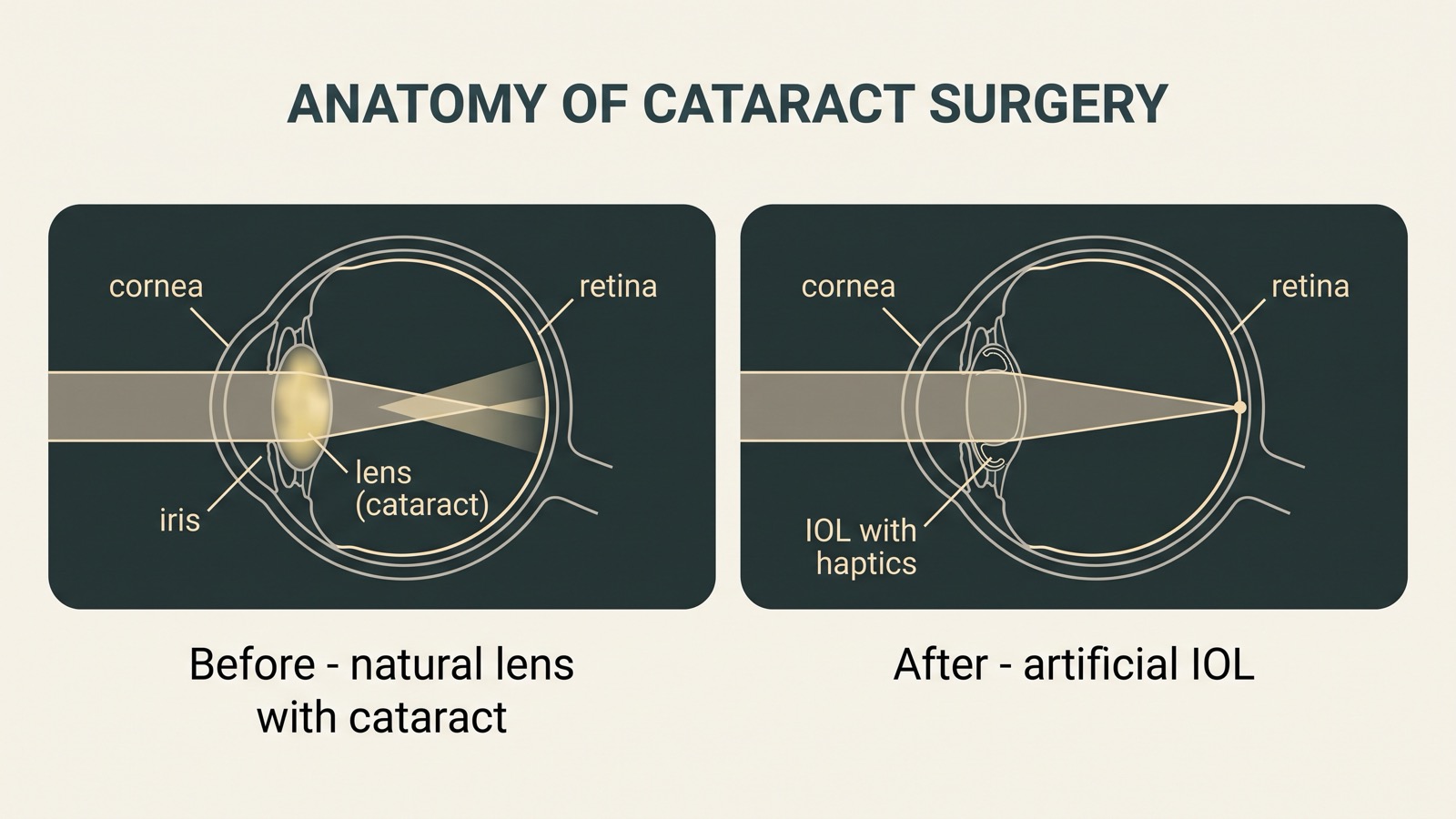
A clear explainer on what an intraocular lens (IOL) is, why it replaces your eye's natural lens after cataract surgery, and how it works.
Alcon PanOptix Review
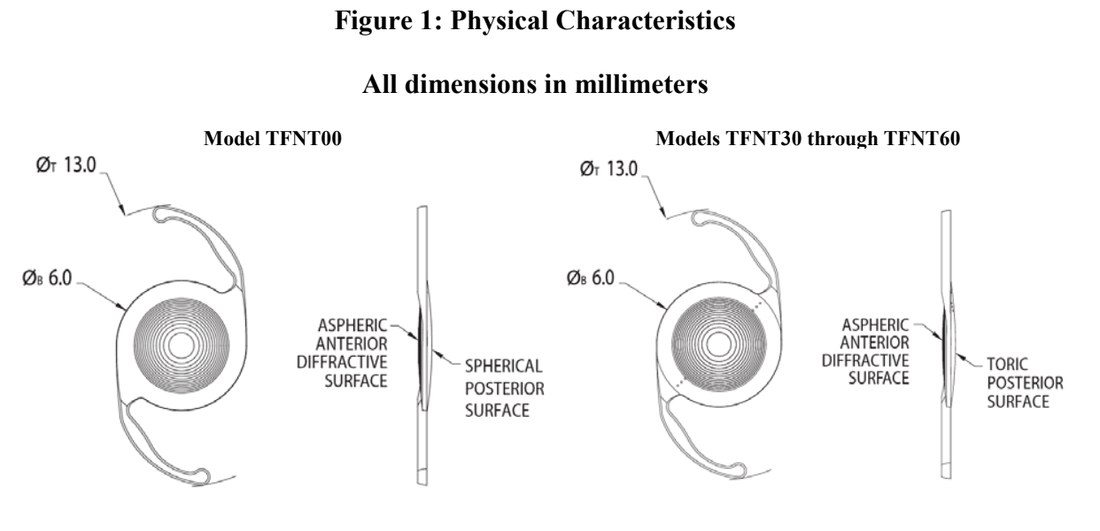
AcrySof IQ PanOptix is Alcon's trifocal IOL, approved by the FDA in 2019 and among the most widely implanted trifocal lenses worldwide. This review is built…

Alcon Vivity Review: Intermediate Vision, Near and Contrast
Vivity adds useful intermediate vision with low severe halo and glare rates, but its FDA trial missed its own 40 cm near target and showed lower mesopic contrast than a monofocal control.
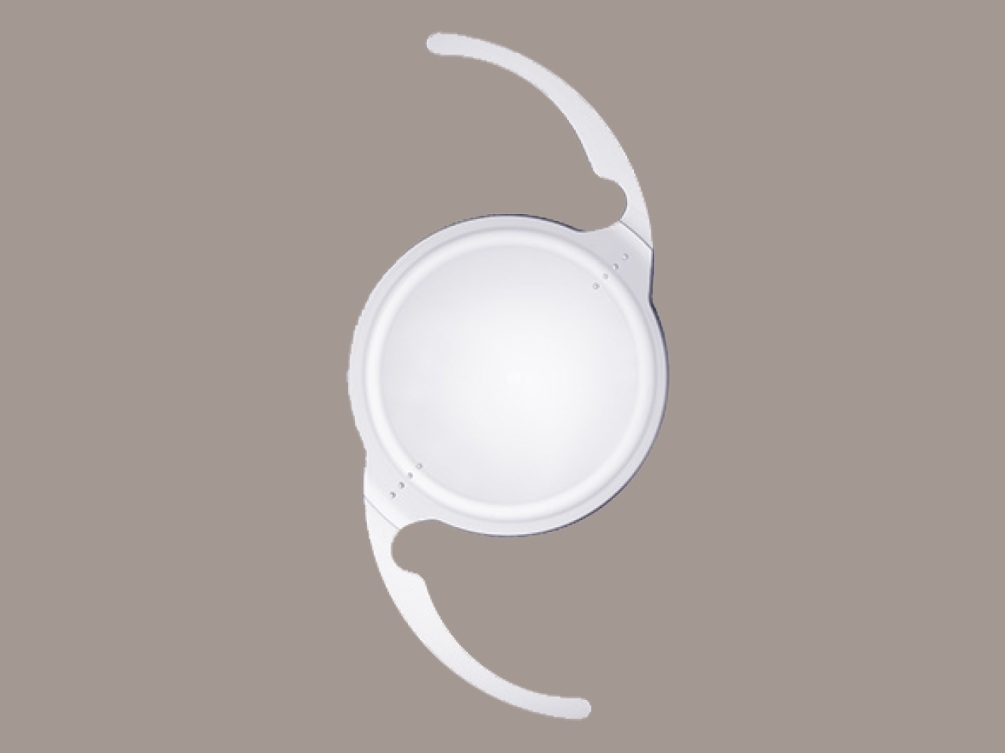
TECNIS Eyhance Review
Eyhance usually adds modest intermediate vision while keeping distance similar to a standard monofocal. See what 31 studies support—and what they do not.
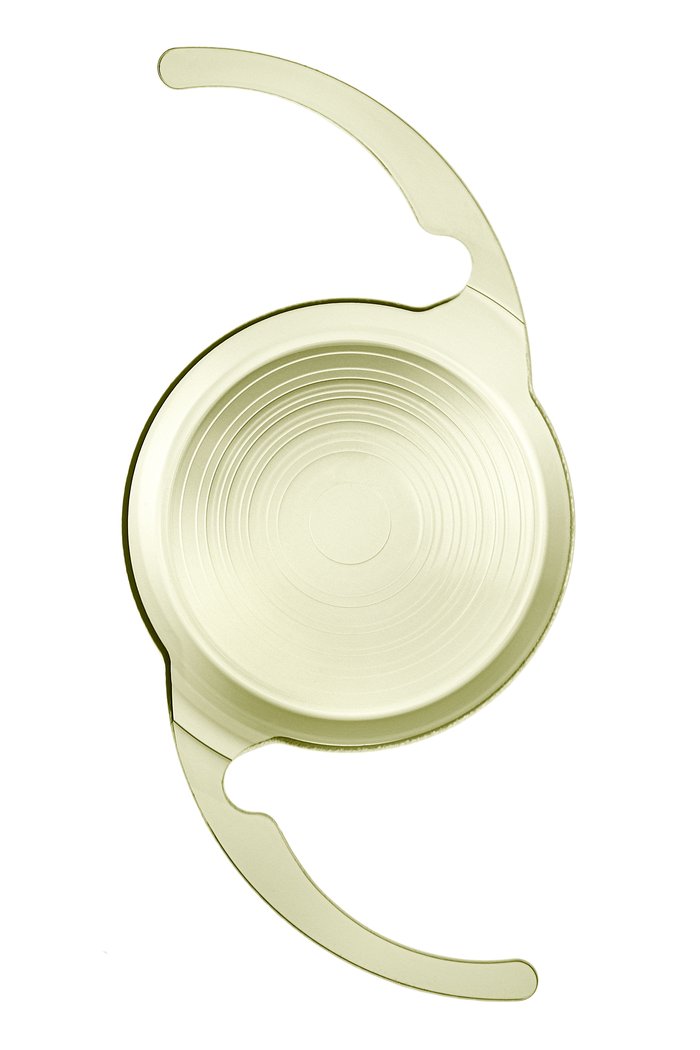
TECNIS Odyssey Review
A source-cited TECNIS Odyssey review: strong early near-to-far results, but small grant-funded studies and no public standalone FDA SSED tables.
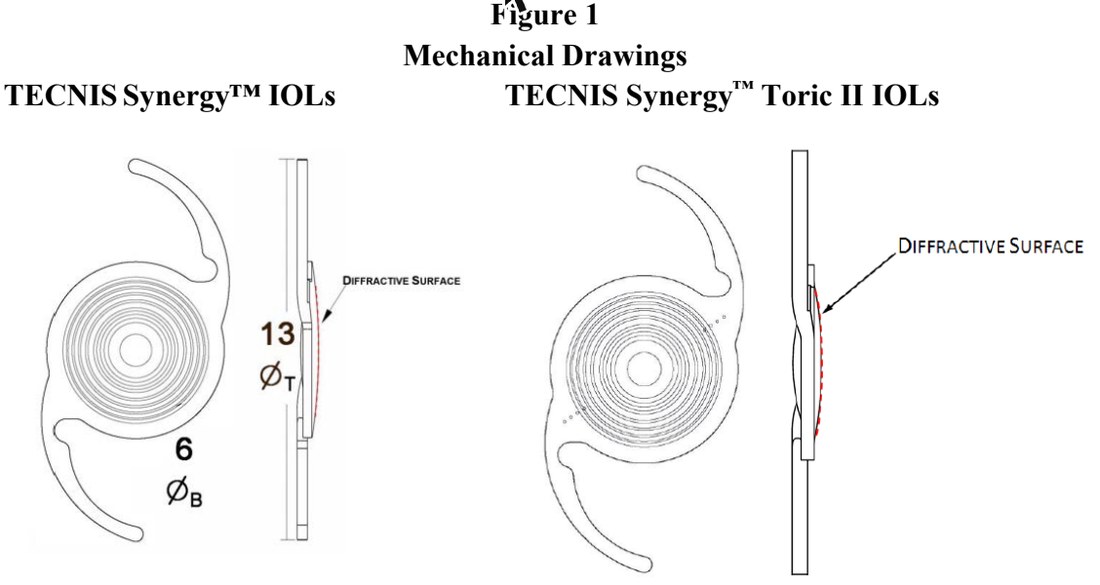
TECNIS Synergy Review
TECNIS Synergy is a diffractive extended-range-of-vision lens from Johnson & Johnson, combining a continuous EDOF profile with a low-addition diffractive…

Why Vision Changes With Age
The natural aging process of the eye, from presbyopia to reduced night vision — and what can, and cannot, be restored with surgery.

Astigmatism: Different Focus in Different Directions
A simple explanation of regular astigmatism, cylinder and axis, and what changes when cataract surgery removes the natural lens.

Contrast Sensitivity: What It Is and Why It Matters
Why some people struggle to see in fog, dim light, or against similar backgrounds — and how contrast sensitivity differs from what an eye chart measures.

How the Human Eye Works
A healthy young eye does three things well — it sees sharply in the distance, refocuses on nearby objects, and adapts to changing light. Understanding this…

How the Natural Lens Works: Accommodation
The eye's natural lens isn't just a fixed piece of glass — it's a flexible structure that changes shape moment to moment to keep whatever you're looking at…
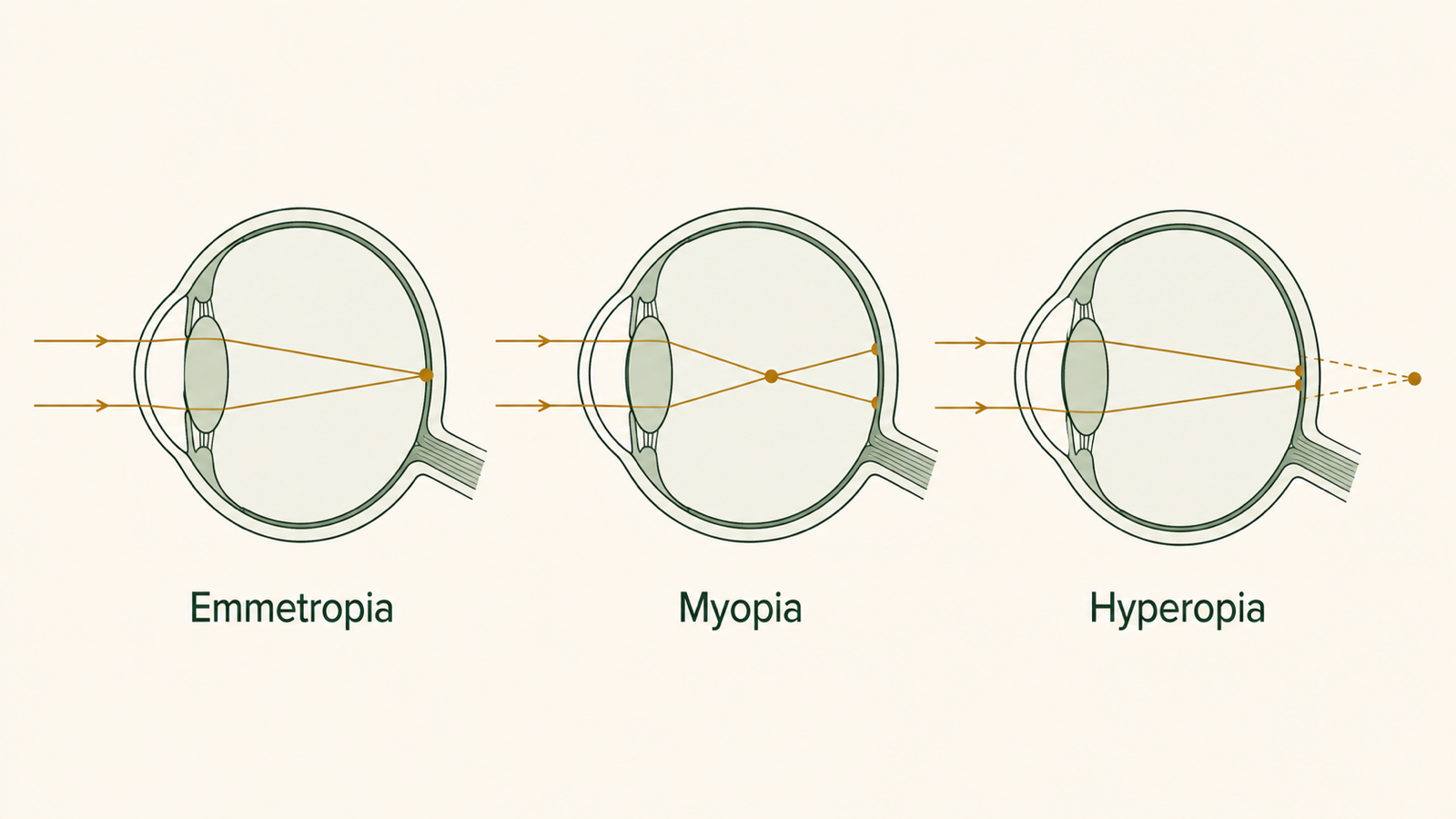
Myopia and Hyperopia Explained
Nearsightedness and farsightedness are the two most common refractive errors — both come down to a mismatch between the length of the eyeball and the…
How Night Vision Works — and Why It Changes
How the eye adapts to low light, why night vision naturally declines, and why some IOLs affect it more than others.
Presbyopia: Why Near Vision Changes With Age
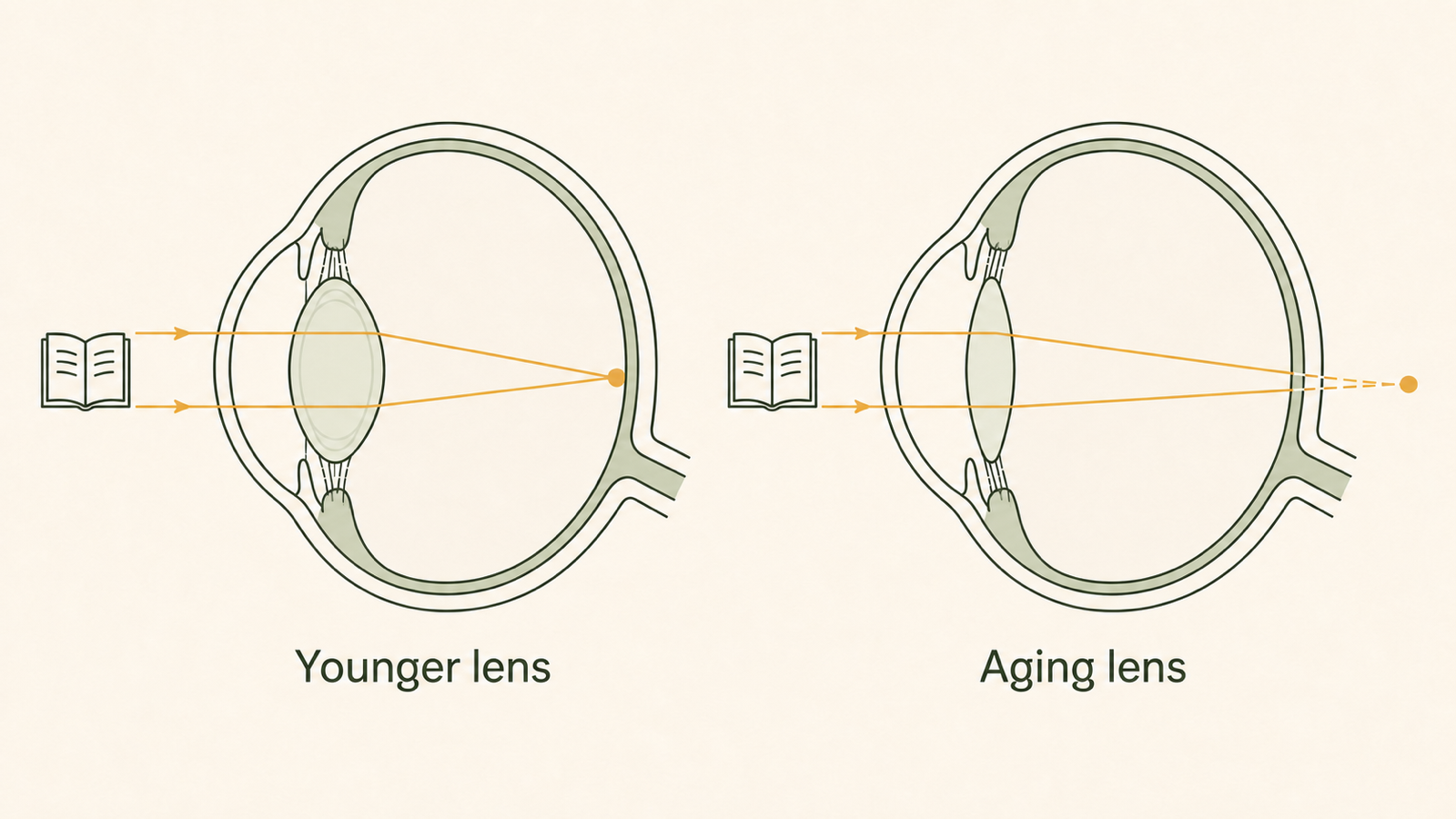
Presbyopia is the gradual, universal loss of the eye's ability to focus up close as it ages. It happens to nearly everyone, regardless of whether they were…
Visual Acuity: What 20/20 Actually Means
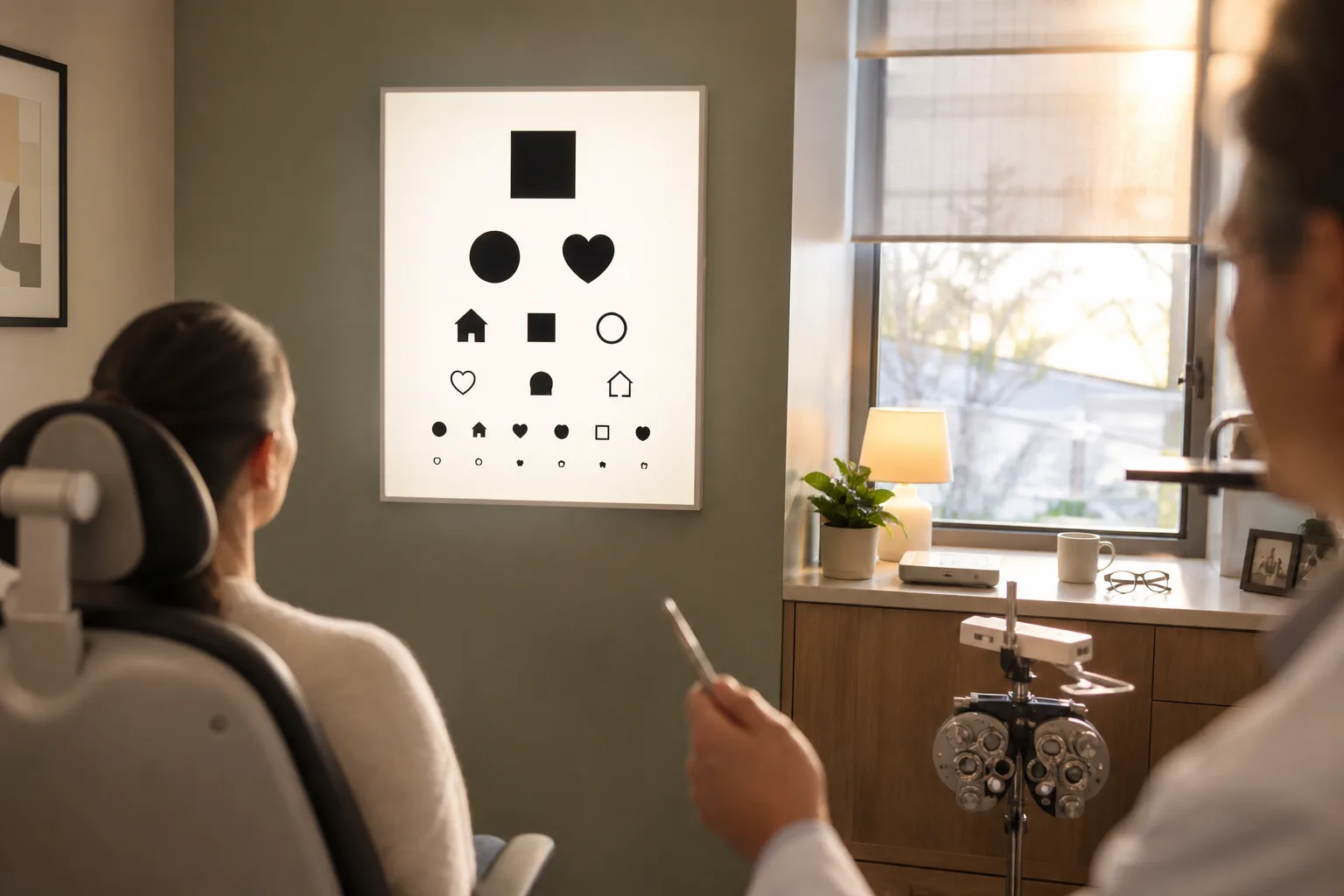
What 20/20 really means, how it's measured, and why it is only part of the story of how well you actually see.
No articles match. Try a shorter phrase or another topic.