Looking for a category-level comparison instead of a single model? Start with IOL Options to understand the broad categories — monofocal, enhanced monofocal, EDOF, and full-range/trifocal — before drilling into individual models here.
Model Reviews
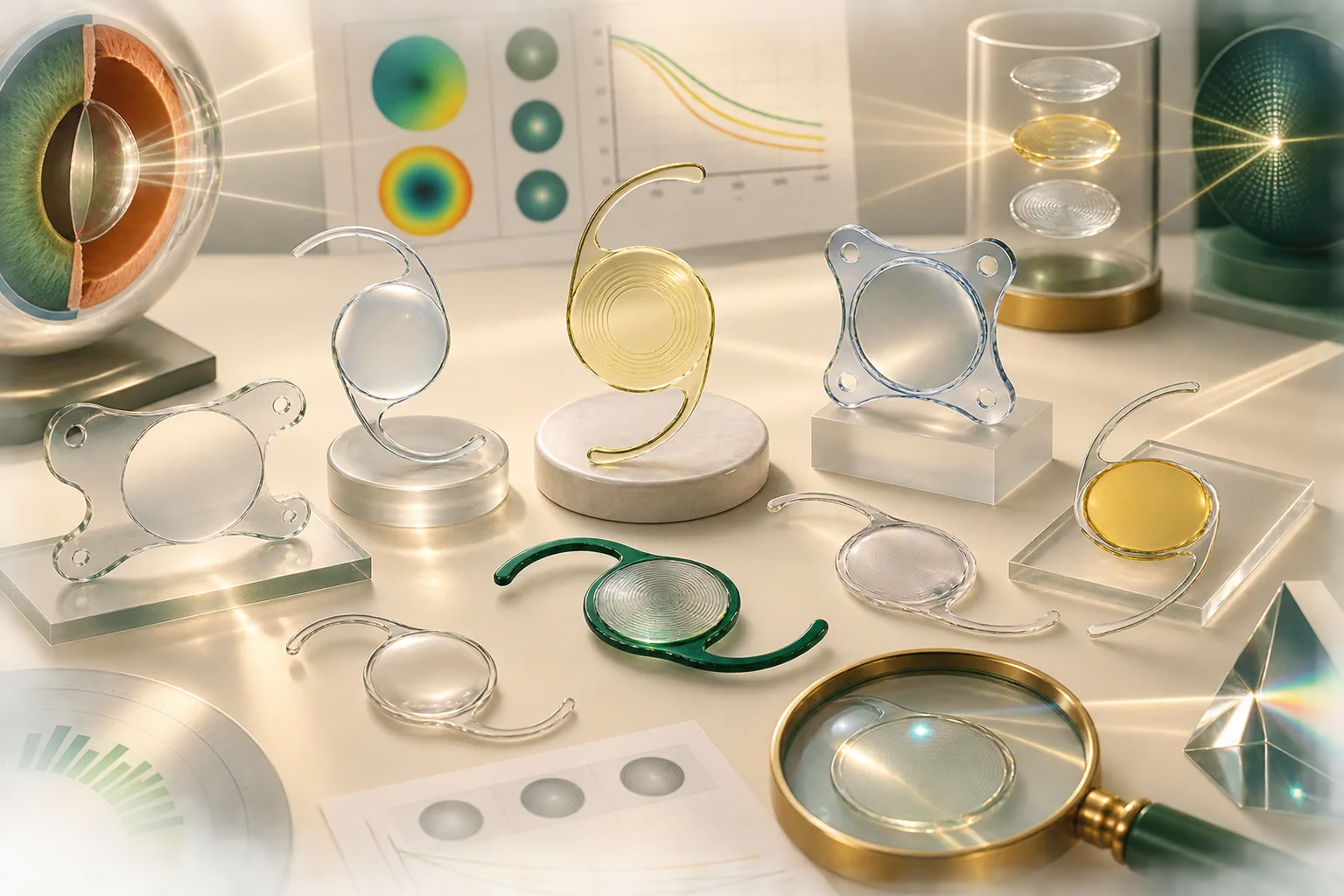
IOL Model Reviews
Model-by-model reviews built from FDA records and peer-reviewed studies. I look for the result that changes a decision: a real benefit, a target the study did not meet, a symptom rate or a gap the brochure does not answer.
Reviewed lenses
ZEISS AT ELANA 841P review: a newer trifocal, but what is clinically proven?
AT ELANA reading vision, contrast and halos: separate ZEISS optical claims from clinical studies, including the October 2026 one-year report.
LuxLife IOL review: reading vision, halos and the evidence behind the claims
What Bausch + Lomb LuxLife promises, what its clinical reports show, and why useful-light and toric claims need careful interpretation.
ZEISS AT LISA tri review: reading without glasses and the longer-term trade-offs
AT LISA tri 839MP and toric variants explained: manufacturer claims, randomized comparisons, six-year follow-up, halos and capsule treatment.
Liberty IOL review: reading vision, halos and claims of better contrast
A critical review of Medicontur Liberty trifocal lenses: what comparative studies show about reading, contrast, glasses and later laser treatment.
ELON IOL review: computer vision, reading glasses and night symptoms
What Medicontur ELON's non-diffractive EDOF design offers, what its clinical studies show, and why better intermediate vision is not a promise of glasses-free reading.
ClearView 3 IOL review: reading, night vision and what the FDA studies show
A critical review of Lenstec ClearView 3 / SBL-3: the segmented bifocal design, FDA near-vision results, contrast trade-offs and updated post-approval findings.
RayOne EMV review
Computer vision, monovision and the boundary between FDA toric evidence and reading claims.
ISOPURE review
Randomized intermediate-vision evidence, Eyhance comparison and longer-term capsule-clouding data.
LuxSmart review
Computer range, reading glasses, halos and contradictions in the published numbers.
RayOne Galaxy review
Spiral optics, FDA near-vision evidence and why non-diffractive does not mean no halos.
FINEVISION HP review
Reading vision, contrast and halos in the FDA trial; separate evidence for longer follow-up and HP Toric.
Clareon TruPlus review
Enhanced monofocal: optical promises, FDA approval and what the unfinished patient trials cannot yet establish.
PanOptix Pro review
The randomized comparison, older PanOptix symptom figures and why half the simulated scattered light is not half the halos.
Tecnis Eyhance Review
An enhanced monofocal lens designed to add intermediate range to a standard monofocal's clarity.
enVista Aspire IOL Review
A sensible enhanced-monofocal design, but its headline gains rely on internal and model-eye data; the main clinical study has 29 eyes and no control.
TECNIS Symfony Review
A diffractive EDOF lens reviewed from its FDA trial and randomized comparative evidence — including intermediate range, spectacle use and night symptoms.
TECNIS PureSee Review
A newer non-diffractive EDOF lens from J&J — reviewed using its FDA registration study data, with source-cited charts.
TECNIS Synergy Review
J&J's diffractive extended-range lens — strong spectacle independence alongside a meaningfully higher halo/glare rate, per its FDA data.
Alcon PanOptix Review
A widely used trifocal IOL aiming for distance, intermediate, and near vision without glasses — reviewed from its FDA registration data.
Alcon Vivity Review
A non-diffractive EDOF lens positioned between enhanced monofocal and full presbyopia-correcting designs — including a trial target it didn't meet.
TECNIS Odyssey Review
J&J's newest full-range IOL — reviewed from independent peer-reviewed studies, since no FDA SSED is yet published for this lens.
Coming soon
Monofocal lens reviews
Model-by-model looks at standard single-focus lenses, the most established IOL category.
IOL Adviser provides educational content only. It does not replace professional medical advice, diagnosis, or treatment from a qualified ophthalmologist or eye surgeon.
New articles
All articles →
How to read clinical data
A patient-friendly guide to clinical studies, evidence levels, GRADE, percentages and medical marketing—with practical questions for choosing an eye treatment or IOL.
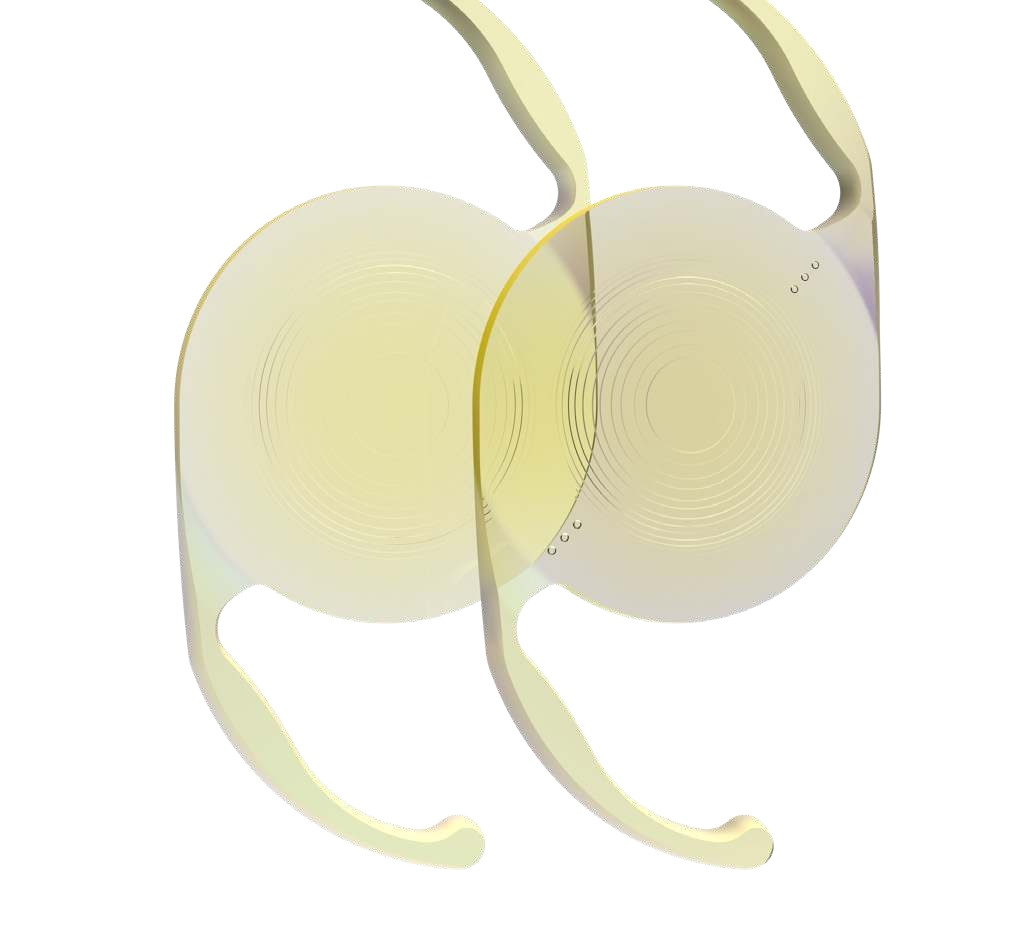
PanOptix Pro review: better vision and fewer halos?
What changed in Clareon PanOptix Pro? Check the 83-patient comparison, FDA approval and why less simulated scattered light does not mean half the halos.
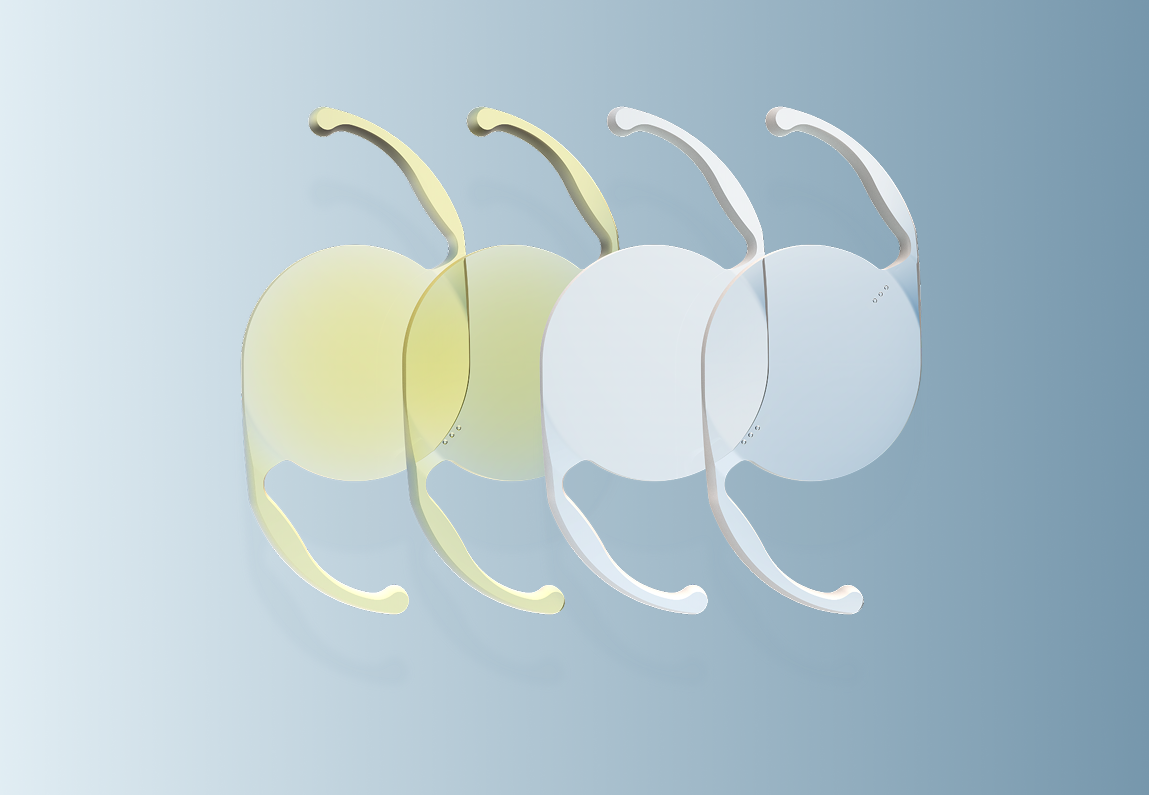
Clareon TruPlus review: a little more computer vision?
Alcon's enhanced monofocal promises a modest intermediate benefit. Separate simulated results, FDA approval and unfinished clinical trials before choosing.