Why water is different from contact-lens solution
Contact lenses sit against the cornea, the clear front of the eye. Water can carry microorganisms to that surface; some soft lenses can also change shape and stick more tightly when wet. Drinking-quality tap water is not sterile lens-care solution. Neither is swimming-pool water.
CDC advice is to remove lenses before swimming, showering or using a hot tub. Do not rinse or store a lens in tap water. Daily replacement is a wearing schedule, not protection while a lens is exposed to water.
What is the infection risk?
Keratitis means inflammation of the cornea; infection is one possible cause. Acanthamoeba keratitis is uncommon but can be difficult to treat and threaten sight. Its seriousness is a reason to avoid the exposure—not evidence that every splash causes infection or that every painful eye has this particular organism.
A painful red eye in a contact-lens wearer should not be dismissed as ordinary dryness. New blur, light sensitivity, unusual watering or a foreign-body feeling also matters. Remove the lens and seek urgent professional assessment; do not wait for the next planned fitting visit or try leftover prescription drops.
Water got into my lenses: what now?
Remove them as soon as possible with clean, dry hands. Do not carry on wearing wet lenses because they are new. CDC recommends discarding them, or—for a reusable lens—cleaning and disinfecting overnight before reuse. Use only the appropriate system and its full instructions; water is not a substitute.
If symptoms are present, the priority is immediate eye-care advice, not trying to disinfect the problem away. FDA advises keeping the removed lens and case for the clinician, because they may help identify the cause. Do not reinsert the lens. Mention the water exposure, wearing schedule and products used.
That distinction matters: advice for an exposed but symptom-free lens is not a treatment plan for a red, painful eye.
How can I see while swimming?
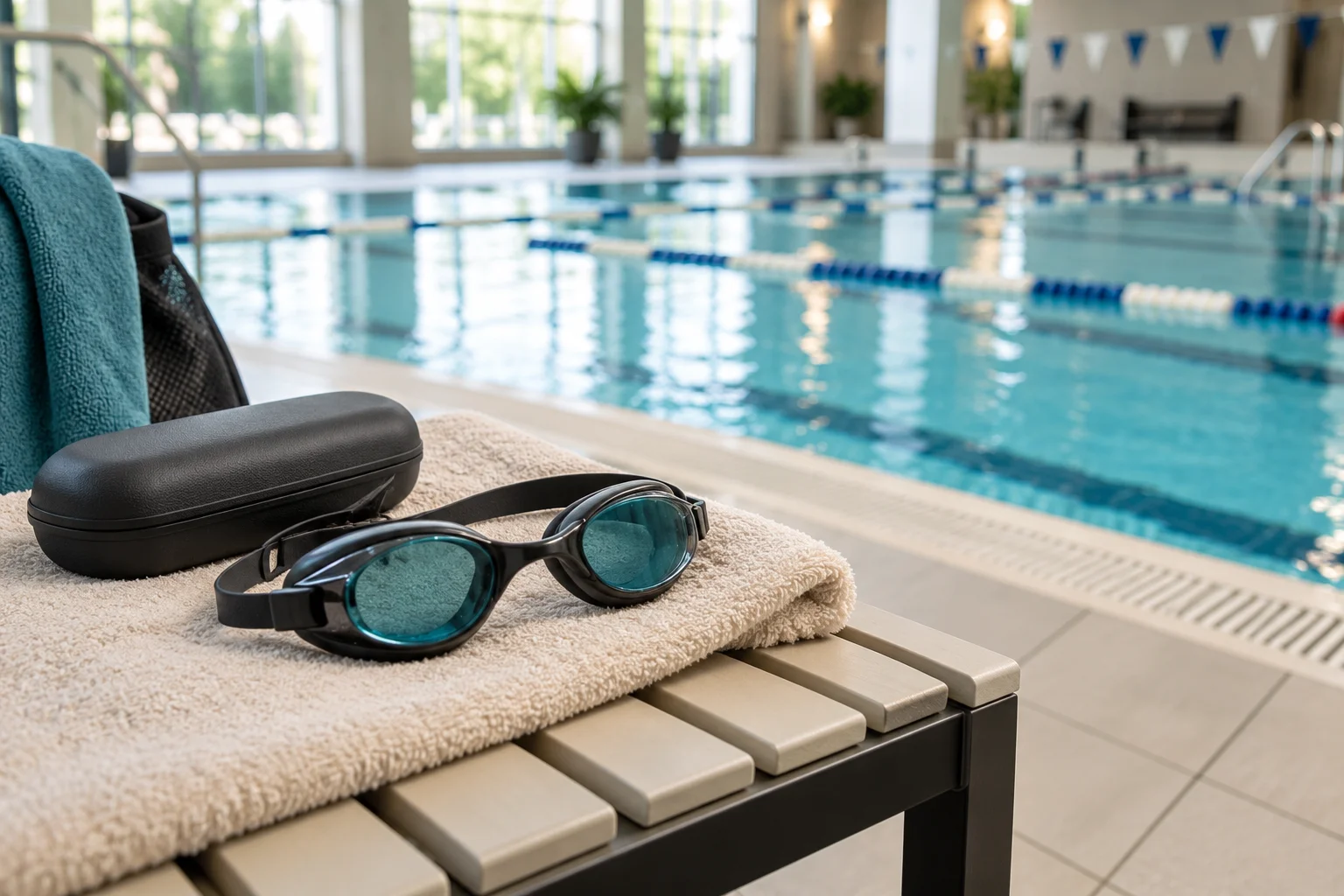
Prescription swimming goggles may be a practical option. Discuss the correction and fit with an eye-care professional. Ordinary goggles over contacts are not a promise that no water will enter. Keep spectacles available for moving around outside the water.
For everyday contact-lens use, see materials, fitting and replacement schedules. For recurring burning without an acute painful red eye, read why dry-eye-like symptoms need assessment.
Does being tired of contacts mean I need surgery?
No. Safer habits, a different fitted approach or glasses may be enough. Laser vision correction and lens surgery have their own eligibility requirements and risks; avoiding lens-water exposure is not itself an indication to operate.
If cataract or an appropriate lens-replacement discussion is already relevant, the visual-priorities questionnaire can help describe activities such as swimming, reading and driving. It cannot determine whether an operation is safe. Contact-lens inconvenience should not be converted into a promise that any IOL will remove every need for glasses.
Sources and limits
CDC: keeping water away from contact lenses; CDC: Acanthamoeba keratitis; FDA: contact-lens risks and action when symptoms occur. Checked 11 October 2026. This article does not estimate your individual infection probability or prescribe treatment.
Educational information—not a diagnosis or medical prescription. An eye-care professional must assess your eyes and medical suitability before treatment or surgery.